Authored By: Kelvin Dlamini
UNISA
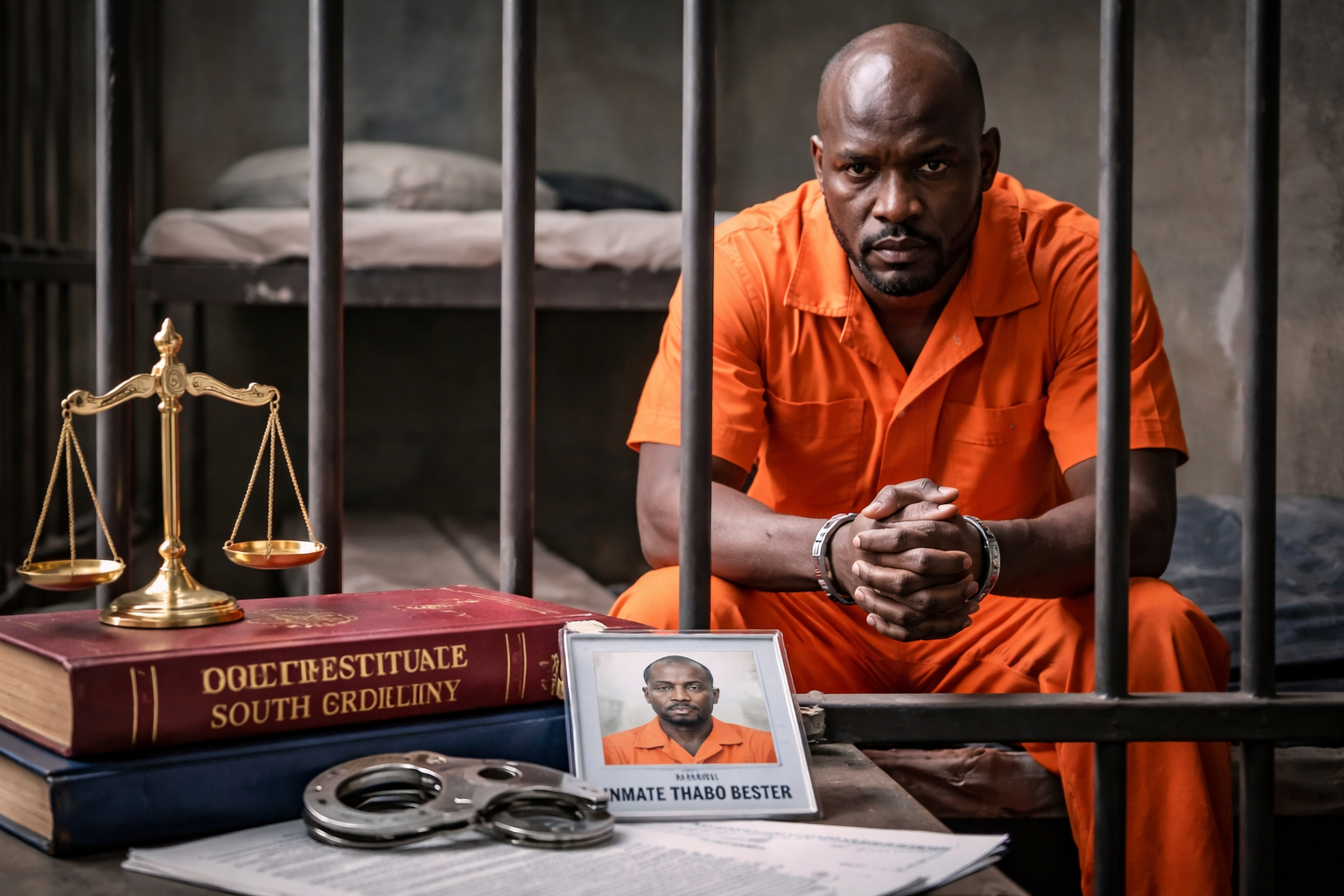
Overcrowding in prisons is one of the most serious legal issues that South Africa is currently facing. National facilities that were designed to hold about 107 000 prisoners currently hold about 170 000 inmates. The risks in prisons keep increasing, as the high numbers of prisoners in jails play a huge role in the formation of gangs in prisons and which may result in inmates killing each other and unfairly treating each other. The constitution of the Republic of South Africa guarantees everyone the rights to equality, dignity and security of persons, meaning that the prisoners are supposed to be treated equally, and if the overcrowding results in the prisoners being murdered and being treated unfairly, that undermines their human rights.
Overcrowding in prisoners has caused a lot of delays in court cases, and that leaves a lot of cases of individuals who were not yet sentenced to be waiting for months or even years for trial. This causes the investigations to be delayed and if the investigations are delayed, that makes it difficult for the cases to have a resolution or conclusion. The health of the inmates becomes at risk because overcrowding causes congestion and congestion itself promotes the spread of diseases that are infectious to the inmates. Therefore, this article focuses on understanding what Overcrowding in prisons is, the role of courts in Overcrowded prisons, ways to prevent overcrowded prisons, ways to prevent the system that delays detainees from being sentenced and ways to stop killings that happening in Jails.
Overcrowding in prisons refers to a very harmful legal issue whereby the jails have more prisoners than it was built to have, it is a very bad situation especially for the prisoner’s health conditions. The prisons become congested in a way that, it makes it easier for the inmates to infect each other with diseases that spread so fast. This legal issue promotes unfair treatment in jails where inmates start to form gangs to fight against other gangs in prisons, where newly inmates end up being forced to join the gangs that are formed in that prison. Prison guards even fail to keep this situation that’s caused by overcrowding, because it becomes difficult for them to manage a lot of inmates. Therefore, they just watch from a distance.
South Africa has come up with ways or laws in which they can be used to reduce overcrowding in prisons, to reduce unfairly treatment and all the inhuman conditions that are taking place in overcrowded prisons. The want to ensure that every inmate human rights are respected.
South African courts play an important role in ensuring that very inmate or prisoners rights are protected. The courts have recognised the seriousness of Overcrowded prisons, and they have implemented laws that reduces it.
In Lee v Minister of Correctional Services 2013 (2) SA 144 (CC), the Constitutional Court held that the state could be held liable where a prisoner catches TB because of poor prison conditions. This case highlights the state legal duty to protect prisoners’ health and provide conditions that are not inhuman. These cases demonstrate that constitutional rights continue to be applied in correctional institutions and the government has legal responsibility towards inmates.
Nikhil Roy on the 25th of February 2013 said that ‘From the mobile courts to review remand cases to using traditional community courts to deal with minor offences, African countries are finding ways to help solve the problem of prison overcrowding.’ The courts should identify the detainees who have been detained past their pre-trial date or those who should have been let out on bail and remove them from being detained. As the Judges and the prosecutors, they are given the permission to Identify those inmates. Many countries came up with the solution that, ex-prisoners should be removed from jails to reduce jails from being offensive to new inmates. The prisons should set a time limit that states that a detainee should not stay detained over a specific time, if he or she stays up to that time, he or she should be released. The inmates who have been behaving good since they have been jailed, they should be given paid work outside the prison, allowing them to gain some skills that will help them once they have been released to the outside world. This limits them from wanting to go back to their old criminal activities, instead of going back to their criminal activities they can just, volunteer to help people with the skills they gained from prison to earn money and live.
The only possible way to prevent the prisons to keep individuals more than they were supposed to without sentencing them, there should a good way to ensure that the cases are or have been managed in an effective manner, there should be strict rules that are forceable for statutory time limits. Legal provisions should be applied such as “Section 342A of the Criminal Procedure Act” which enable the courts to conduct a formal inquiry into delays that are seen as unreasonable. The cases whereby the evidence has not yet been fully discovered should be called off, up until the prosecutors gather enough evidence to proceed with enough information, this also plays a huge role in avoiding unreasonable delays. The South Africa Litigation Centre states that “They should implement periodic camp courts or even the mobile courts sitting inside correctional facilities to fast-track reviews for minor offensive or minor bail infractions.” If the is a case, the prosecutors should gather evidence to close a case in time, or even the police investigator. The Dullah Omar Institute states that “There should be utilized Paralegals or Legal Assistant inside detention facilities to identify lost files, administrative blocks, and candidates for immediate release. Cases such as criminal cases are the one that should be finalized in time to reduce number of detainees who are waiting for trial. The police should use efficient investigating methods to avoid sentencing innocent individuals.
The prisons should be extended or even the infrastructure needs to be improved to ensure that the prisons hold the number of prisoners it supposed to hold. The detention conditions should be analysed to ensure that, they don’t violate the human dignity rights of inmates or even their human rights. There should also be education campaigns to challenge this legal issue in jail facilities, and to encourage even the inmates to behave in a correct manner in jails. The schools should include education on respect, equality, consent, and healthy relations to prevent future violence.
Reducing overcrowding it will need a lot of investment for a long term. The courts efficiency should be improved as well as stronger rehabilitations. These ideas would not only protect the prisoner’s rights, but they would also improve the public safety by reducing repeat offending.
I believe that prisoners are tired of the inhuman conditions taking part in prisons, because it puts even their health at risk, it causes a lot of violence, and it prevents the possibilities for rehabilitation. Therefore, with the above-mentioned strategies I believe that if they are implemented and used, a lot of innocent inmates would be saved, investigators would save time and be able to solve their cases in time, inmates would not stay detained more than they had to be. The implementation of strict statutory time limits would play a role on that part.
The prisoner’s human dignity, right to equality, right to freedom and security of the person and the right to health care, they should all be respected because they are human being. They should not be allowed to live in unhuman conditions. They should be provided with proper health care services; they shouldn’t be living comfortably I agree but they should also not be treated inhumanly. Overcrowed prisons are not playing a role in respecting the right to equality because if it is overcrowded there will be unfair treatment, some inmates will receive proper healthcare, education and rehabilitation while other inmates don’t.
Overcrowding in prisons remains as one of the South Africa’s most pressing Legal and Social challenge. Although the country has developed a strong legal framework through the Constitution, the Criminal Procedure act 51 of 1977 and sexual violence offences legislation, many victims continue to experience, unfair treatment and violence without receiving equal protection.
Addressing overcrowding in prisons legal issue needs more than just strong laws. It needs effective implementation of more improved policing, faster court processes, and sufficient support to the inmates. By strengthening both legal institutions and campaigns involvement, South Africa can be better protecting the constitutional rights of all the people in prisons and move towards a healthier detention facility that are free from overcrowding, violence and unhealthier.
REFERENCE(S):
http://www.penalreform.org
http://link.spriger.com
http://groundup.org.za
https://www.parliament.gov.za
BIBLIOGRAPHY
LEGISLTION
The constitution of the Republic of South Africa 1996.
Criminal Procedure act 51 of 1977
CASES
Lee v Minister of Correctional Services 2013 (2) SA 144 (CC)