Authored By: Asif Manzoor
LLOYD SCHOOL OF LAW
I. Introduction
By March 31, 2025, India had already blocked over 111,185 pieces of suspicious online content, bringing a vital constitutional question to the forefront: who actually gets to decide what stays online and what gets wiped away? As digital platforms become the primary arenas for political debate, journalism, activism, and general public discourse, government oversight of online speech has emerged as one of the defining legal struggles of our time. While these regulations aim to tackle cybercrime, misinformation, hate speech, and national security threats, they also spark serious concerns regarding transparency, procedural fairness, judicial oversight, and the risk of executive overreach.
India’s constitutional structure attempts to strike a balance between these conflicting interests. Article 19(1)(a) guarantees every citizen the fundamental right to freedom of speech and expression, while Article 19(2) allows for reasonable restrictions to protect sovereignty, public order, decency, morality, and national security. In practice, these principles are enforced through the Information Technology Act, 2000, and the Information Technology (Intermediary Guidelines and Digital Media Ethics Code) Rules, 2021. This article provides a critical examination of the legal framework governing online speech in India, analyzes landmark judicial decisions, and evaluates whether the current regulatory landscape truly balances constitutional liberties with the legitimate needs of the State.
II. Evaluation of Online Speech and the Need for Regulation
The rise of the internet has fundamentally changed how we exercise freedom of speech and expression. In the past, public conversation was mostly filtered through newspapers, television, and radio, meaning institutional gatekeepers held the keys to information. The arrival of digital technology and social media has disrupted this old model, allowing anyone to create, publish, and share information with a global audience almost instantly. Platforms like Facebook, Instagram, X (formerly Twitter), and YouTube have become our modern digital town squares, serving as the primary hubs for political debate, social movements, citizen journalism, and general public engagement.
While this digital shift has bolstered democratic participation by giving more people a voice, it has also brought about a whole new set of problems. Because online communication is so fast, often anonymous, and exists without borders, it is incredibly easy for misinformation, hate speech, cyberbullying, terrorist propaganda, and fraud to spread like wildfire. These issues don’t just exist in a vacuum; they can threaten public safety, national security, and individual rights, which makes the need for a solid legal framework for digital governance more urgent than ever.
As a result, governments around the world are trying to implement regulations that tackle these new threats without stifling the fundamental right to free expression.
III. Existing Legal Framework and Its Analysis
A. Article 19(1)(a)
Under Article 19(1)(a) of the Indian Constitution, every citizen is granted the fundamental right to freedom of speech and expression. This allows individuals to voice their opinions through various means, including spoken word, writing, print, art, and digital media. Such a right is essential for bolstering democracy, fostering transparency, and holding those in power accountable. That said, this freedom is not unlimited; it is subject to the reasonable restrictions outlined in Article 19(2).
B. Article 19(2)
Under Article 19(2) of the Indian Constitution, the State has the authority to place reasonable restrictions on the freedom of speech and expression protected by Article 19(1)(a). These limitations are designed to strike a balance between personal liberty and the broader public interest. Specifically, such restrictions can be applied to safeguard the sovereignty and integrity of India, national security, public order, decency, and morality, as well as to prevent contempt of court, defamation, or the incitement of an offense.
C. Section 79 of the Indian IT Act, 2000
Under Section 79 of the Information Technology Act, 2000, intermediaries—including social media companies, internet service providers, and online marketplaces—are granted “safe harbour” protection. This means they aren’t held liable for content posted by third parties on their platforms, as long as they follow legal guidelines and exercise proper due diligence. That said, this immunity disappears if they intentionally facilitate illegal content or ignore valid orders from the government or the courts.
D. Section 69A of the Information Technology Act
The Information Technology Act, 2000, establishes the legal groundwork for managing activities within cyberspace. It includes various clauses that impact online speech, such as Section 69A, which allows for the blocking of digital content, and Section 79, which offers safe harbour protections to intermediaries. These rules are designed to find a middle ground between upholding freedom of expression and maintaining national security, public order, and accountability in the digital world.
E. Section 66A of the Information Technology Act
Section 66A of the Information Technology Act, 2000, made it a criminal offense to send messages that were deemed offensive or menacing via electronic means. However, because the language used in the law was so broad and poorly defined, it ended up being misused to stifle free speech. This changed in 2015 during the Shreya Singhal v. Union of India case, when the Supreme Court struck down Section 66A as unconstitutional, ruling that it violated the right to freedom of speech and expression under Article 19(1)(a) of the Constitution.
F. Information Technology Rules, 2021 (Intermediary Guidelines and Digital Media Ethics Code Rules)
The Information Technology (Intermediary Guidelines and Digital Media Ethics Code) Rules, 2021, were established under the Information Technology Act, 2000, to oversee intermediaries, social media platforms, digital news outlets, and OTT services. Under these rules, intermediaries are expected to practice due diligence, appoint grievance officers, and set up systems to handle complaints. They are also required to take down illegal content when presented with valid government or court orders and release monthly compliance reports. For significant social media intermediaries, the requirements are even stricter, necessitating the appointment of a Chief Compliance Officer, a Nodal Contact Person, and a Resident Grievance Officer. Additionally, the Rules outline a specific Code of Ethics for digital media and curated online content. While the goal is to enhance transparency, user safety, and accountability, the Rules have sparked intense debate regarding their possible effects on free speech, privacy, and the autonomy of digital platforms.
IV. Case Law Analysis
A. Shreya Singhal v. Union of India
In the case of Shreya Singhal v. Union of India, the Supreme Court reviewed whether Section 66A of the Information Technology Act, 2000, was constitutionally valid. This specific provision had criminalized the act of sending “offensive” messages via electronic means. The Court found that the language used in the law—terms like “grossly offensive” and “annoying”—was far too vague and left too much room for arbitrary interpretation. It noted that such ambiguity created a chilling effect on free speech and provided a loophole for authorities to misuse their power. Ultimately, the Court struck down Section 66A as unconstitutional for violating Article 19(1)(a), ruling that any limits placed on speech must strictly adhere to the reasonable restrictions outlined under Article 19(2).
B. Anuradha Bhasin v. Union of India
In the case of Anuradha Bhasin v. Union of India, the Supreme Court ruled that internet access is vital for exercising the constitutional rights to freedom of speech and expression, as well as the right to conduct trade and business. The Court declared that indefinite internet shutdowns are unconstitutional and ordered the government to regularly review any such restrictions. It further stressed that any limitation on internet access must be legally grounded, necessary, proportionate, and subject to judicial oversight.
C. Romesh Thappar v. State of Madras
In the case of Romesh Thappar v. State of Madras, the Supreme Court affirmed that freedom of speech and expression serves as a cornerstone of any democratic society. The Court overturned the Madras Government’s order to ban the circulation of the journal Cross Roads, ruling that such censorship was a direct violation of Article 19(1)(a). Ultimately, the Court made it clear that any restrictions placed on free speech must be strictly justified within the framework of the Constitution.
D. Nipun Malhotra v. Sony Pictures Films India
In the case of Nipun Malhotra v. Sony Pictures Films India Pvt. Ltd., the Supreme Court looked into whether the movie Aankh Micholi crossed the line by using disability-related humor at the expense of the dignity and rights of persons with disabilities. The Court noted that while the freedom of speech and artistic expression guaranteed under Article 19(1)(a) definitely covers films and creative projects, this right isn’t absolute. It emphasized that filmmakers carry a social responsibility to ensure they aren’t perpetuating harmful stereotypes or discriminatory views. Ultimately, while the Court decided not to block the film’s release, it laid out specific guidelines to encourage more respectful and inclusive ways of representing people with disabilities in visual media.
V. Government Accountability: A Critical Analysis
Regulating online speech has become one of the most pressing constitutional hurdles in India’s digital age. While the government certainly has a valid responsibility to tackle misinformation, cybercrime, hate speech, and national security threats, these goals cannot be pursued at the expense of the constitutional framework. As legal scholar Gautam Bhatia points out, any restriction on speech must still be bound by constitutional safeguards to ensure that executive power doesn’t end up stifling democratic freedoms.
A major point of contention is Section 69A of the Information Technology Act, 2000, which gives the Central Government the power to block online content. Even though the Supreme Court upheld this in the Shreya Singhal v. Union of India (2015) case—citing existing procedural safeguards—the strict confidentiality rules under the 2009 Blocking Rules often leave users in the dark. When people don’t know why their content was blocked, it becomes nearly impossible for them to challenge those decisions, which ultimately undermines procedural fairness and public accountability.
These worries are only compounded by a lack of judicial oversight and the fact that blocking orders are often implemented without any prior notice. As M.P. Jain has observed, any restriction on fundamental rights must be both reasonable and proportionate; if they aren’t, we risk losing the very essence of constitutional liberty. The ongoing friction between X (formerly Twitter) and the Indian government over content-blocking orders serves as a clear example of this tug-of-war between state regulation and the right to free expression.
Ultimately, government regulation of the digital space needs to be transparent, proportionate, and open to meaningful judicial review. By strengthening due process, providing clear reasons for blocking orders whenever possible, and establishing independent oversight, the state can promote accountability without sacrificing the constitutional guarantee of free speech.
VI. BBC Documentary Blocking: A Constitutional Analysis
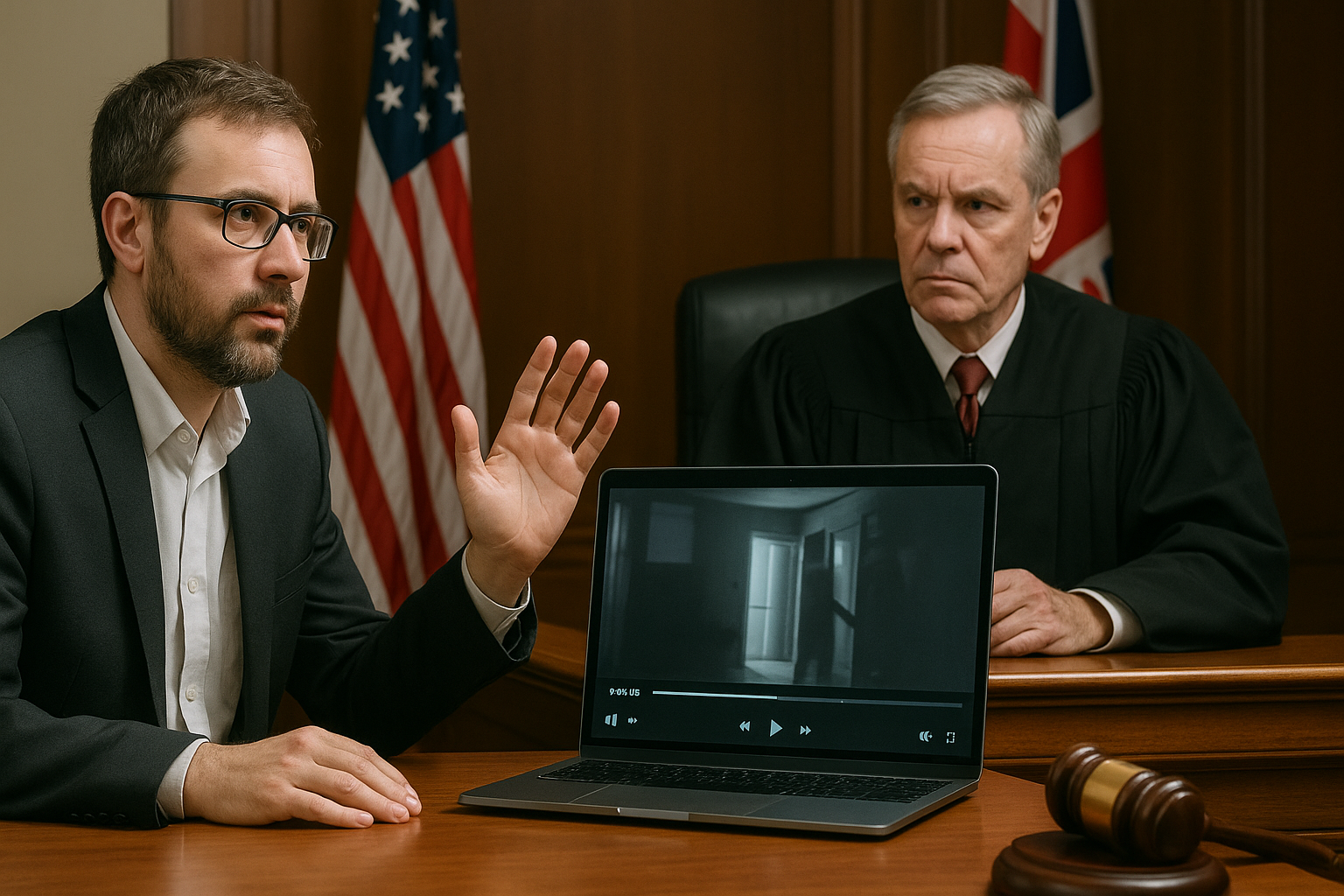
In January 2023, the Central Government ordered intermediaries to block the BBC documentary India: The Modi Question, exercising emergency powers under the Information Technology Rules, 2021, and Section 69A of the Information Technology Act, 2000. This move sparked an intense constitutional debate over how much authority the executive branch should have when restricting online content. While the Government defended the decision as a necessary step to protect India’s sovereignty and maintain public order, critics pointed to a lack of transparency, noting that the specific reasons for the ban were never made public. Ultimately, the incident underscores the ongoing friction between national security interests and the fundamental right to freedom of speech guaranteed by Article 19(1)(a), highlighting a pressing need for more procedural fairness, judicial oversight, and accountability in how content-blocking orders are issued.
VII. Comparative Perspective: Lessons from the European Union and the United States
India’s strategy for regulating online speech stands in stark contrast to the frameworks used by both the European Union and the United States. The EU’s Digital Services Act (DSA) focuses heavily on transparency and accountability; it mandates that major digital platforms release transparency reports, evaluate systemic risks, clarify why content is removed, and offer users a functional way to appeal those decisions. Legal experts suggest that these procedural layers help hold platforms accountable without undermining freedom of expression.1
The United States, on the other hand, prioritizes free speech via the First Amendment, allowing government intervention only in extreme cases like incitement, true threats, obscenity, or defamation.2 This approach stems from a deep constitutional dedication to shielding political discourse from unnecessary government overreach.
India takes a middle-ground approach through Article 19(2), which allows for “reasonable restrictions” on free speech. However, by integrating more elements from the EU model—such as increased transparency, better user notifications, and independent oversight—India could bolster accountability while still upholding its constitutional freedoms.
VIII. Recommendations
India needs to bolster its regulation of online speech by prioritizing transparency, procedural fairness, and institutional accountability. To start, blocking orders issued under Section 69A should be accompanied by clear reasoning and made public whenever possible, reserving confidentiality only for genuine national security matters. Second, unless there is an urgent need for immediate action, users should typically be notified and given a chance to respond before their content is taken down. Third, an independent judicial or quasi-judicial body should regularly review these blocking orders to make sure they align with the constitutional standards of legality, necessity, and proportionality. Finally, digital platforms must step up by publishing regular transparency reports, improving their grievance redressal systems, and applying content moderation policies consistently. As Gautam Bhatia points out, strong constitutional safeguards are vital to prevent executive control over online speech from eroding democratic freedom of expression.
IX. Conclusion
The swift growth of digital communication has turned online platforms into vital arenas for public debate and democratic engagement. While the State is rightfully tasked with regulating illegal content to protect national security, public order, and individual rights, these actions must align with the constitutional right to free speech under Article 19(1)(a) and the specific restrictions allowed by Article 19(2). As this article suggests, the true difficulty isn’t whether the government has the power to regulate, but rather ensuring that this power is used transparently, proportionately, and under genuine judicial supervision. By reinforcing procedural safeguards, increasing openness, and demanding greater accountability, India can tackle digital harms without sacrificing its core constitutional values of liberty, democracy, and the rule of law.
By looking at how other jurisdictions, such as the European Union and the United States, handle these issues, India has an opportunity to improve its regulatory framework through greater transparency, stronger judicial review, and more robust due process.
Endnote(S):
1. See Regulation (EU) 2022/2065 of the European Parliament and of the Council of 19 October 2022 on a Single Market for Digital Services (Digital Services Act), Arts. 15–24 (transparency reporting and content-removal notification obligations).
2. See United States Constitution, First Amendment; see generally the “incitement,” “true threats,” and “obscenity” exceptions as narrowly construed under U.S. First Amendment doctrine.
Reference(S):
Cases
Anuradha Bhasin v Union of India, (2020) 3 SCC 637.
Nipun Malhotra v Sony Pictures Films India Pvt Ltd, 2024 INSC 465 (Civil Appeal No. 7230 of 2024).
Romesh Thappar v State of Madras, AIR 1950 SC 124.
Shreya Singhal v Union of India, (2015) 5 SCC 1.
Legislation
Constitution of India.
Information Technology Act 2000 (India).
Information Technology (Procedure and Safeguards for Blocking for Access of Information by Public) Rules 2009 (India).
Information Technology (Intermediary Guidelines and Digital Media Ethics Code) Rules 2021 (India).
Regulation (EU) 2022/2065 of the European Parliament and of the Council of 19 October 2022 on a Single Market for Digital Services (Digital Services Act).
United States Constitution, First Amendment.
Secondary Sources
Bhatia G, Offend, Shock, or Disturb: Free Speech under the Indian Constitution (Oxford University Press 2016).
Jain MP, Indian Constitutional Law (9th edn, LexisNexis 2023).