Authored By: Neo Maleka
University of South Africa
- Introduction
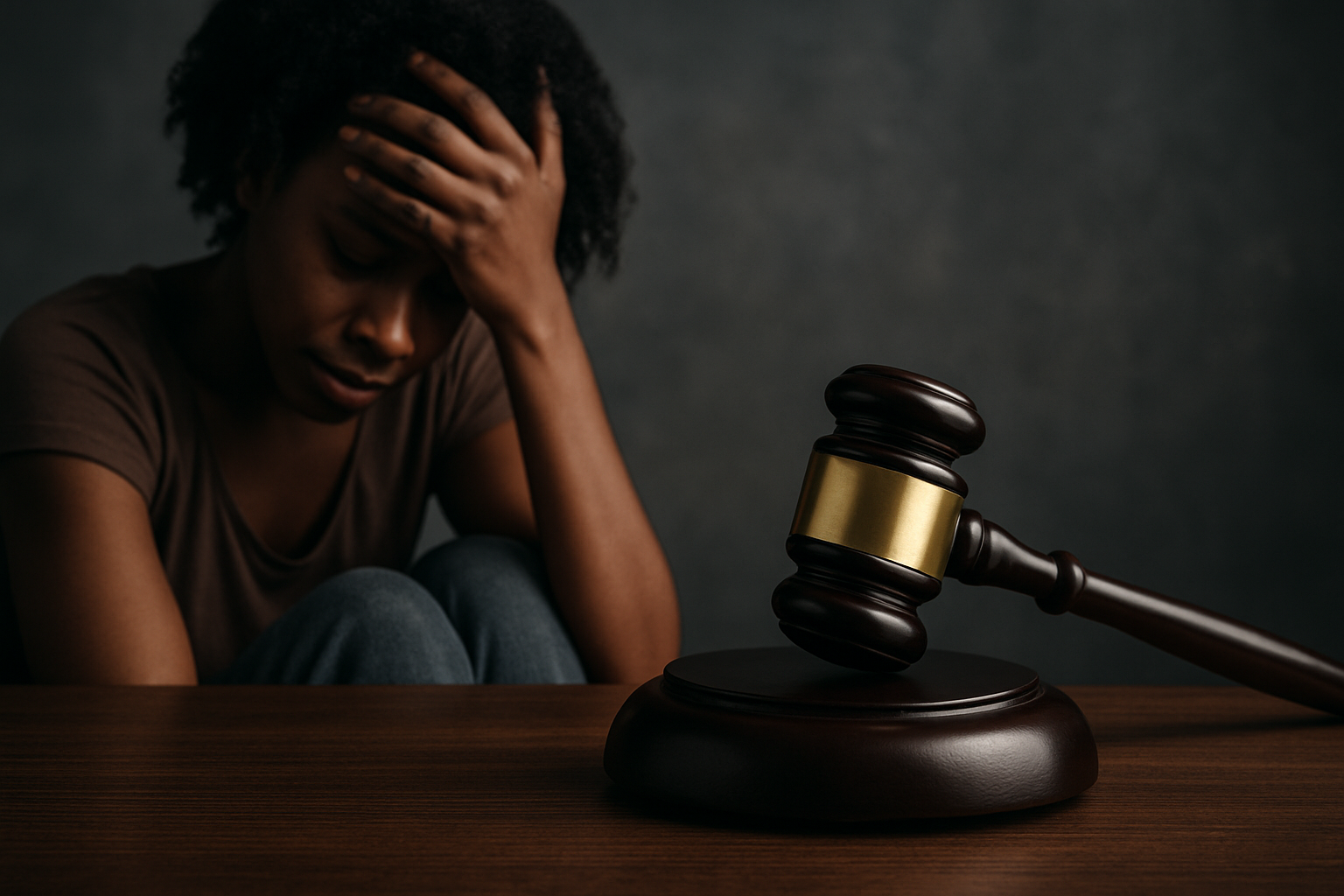
A single message on WhatsApp. One photo shared. A comment that received 2,000 likes. In just seconds, a person’s dignity can be publicly harmed in front of friends and strangers, with few options to respond or remove it. This is the new reality of cyberbullying in South Africa, where online platforms have transformed traditional harassment into ongoing, limitless, and frequently anonymous assaults.[1]
Although these platforms promote communication and self-expression, but they have also led to new types of harm. Cyberbullying is recognized as an increasing danger to children’s wellbeing, affecting their mental health, academic performance, and social growth.[2] Unlike traditional bullying, cyberbullying crosses time and space, making the violation of dignity ongoing and unavoidable.
Legally, this behavior directly relates to section 10 of the Constitution of the Republic of South Africa, 1996,[3] which guarantees the right to have one’s dignity respected and safe guarded. In the past, victims depended on common law and statutory tools like crimen injuria, criminal defamation, and protection orders under the Protection from Harassment Act 17 of 2011.[4]
The introduction of the Cybercrimes Act 19 of 2020[5] on 26 May 2021 represented a major change by making malicious communications and the non-consensual sharing of intimate images illegal. This change in legislation was intended to bring South Africa in line with global cybersecurity standards.[6]
This article argues that although the Cybercrimes Act and current common law solutions offer a basis for tackling cyberbullying, they are not enough to completely protect the constitutional right to dignity. This lack of protection arises from three main issues: the lack of a clear legal definition of cyberbullying, the constitutional and practical difficulties in holding child offenders accountable, and the systemic obstacles to enforcement and regulation within schools.
To support this argument, the study will be divided into three sections. First, it will create a conceptual connection between cyberbullying and violations of the right to dignity as stated in section 10 of the Constitution, referencing Le Roux v Dey.[7] Second, it will examine the current legal remedies, including the Cybercrimes Act 19 of 2020, crimen injuria, and the Protection from Harassment Act, focusing on their scope and limitations. Third, it will identify the main gaps in the legal systems such as unclear definitions, accountability for child offenders, and challenges in enforcement using South African academic sources and comparative perspectives.[8] The article will conclude by determining if legislative or policy changes are necessary to effectively protect dignity in the digital space.
- Legislative Framework Regulating Cyberbullying
- Constitution of the Republic of South Africa 1996
South Africa is dedicated to safeguarding its youth from harmful behaviors, such as cyberbullying, as stated in the Constitution of the Republic of South Africa, 1996. The Constitution guarantees the right to dignity as mentioned in section 10, which declares that “everyone has inherent dignity and the right to have their dignity respected and protected.” In relation to cyberbullying, this section highlights the effects on the self-worth and dignity of victims.[9] Furthermore, section 14 of the Constitution emphasises the right to privacy, which includes the right to keep communications private from intrusion.[10]
Even with these protections, the rights guaranteed by the Constitution are frequently breached in instances of cyberbullying. South African youth and children, who are particularly vulnerable to cyberbullying, face violations of their dignity and privacy. Section 28 of the Constitution highlights the safeguarding of children’s rights, emphasising their protection from harm and abuse, including cyberbullying, which can impact a child’s dignity and overall well-being.
- Electronic Communications and Transactions Act 25 of 2002
Besides the Constitution, the Electronic Communications and Transactions Act regulates electronic communication and has rules against harassment and defamation via electronic means. While minors are not directly mentioned, the Act seems to include them. Furthermore, although the Act does not specifically mention cyberbullying, chapter XII discusses cybercrimes, which likely covers cyberbullying activities.[11] Therefore, the Act does not focus specifically on South African youth and children, as it addresses various elements of electronic communications, including cyberbullying.[12] This lack of focus may lead to the legislative framework being ineffective in properly tackling cyberbullying.
- Film and Publications Act 65 of 1996
The Film and Publications Act regulates the distribution and showing of certain materials, particularly those considered harmful, especially to children.[13] As a result, people who participate in cyberbullying against minors can face legal consequences under this law.[14]
- Cybercrimes Act 19 of 2020
The Cybercrimes Act is the latest law that deals with online behavior. It makes various types of cybercrimes[15] illegal and sets up a dedicated cybercrime unit in the South African Police Services (SAPS) to look into and prosecute these crimes.[16] However, the Act does not provide a definition for cyberbullying, which implies thy South Africa might be falling behind in effectively addressing cyberbullying, especially among young people.
Importantly, the Cybercrimes Act has rules that allow cybercrimes to be managed under the Child Justice Act,[17] which means that minors who commit cybercrimes could also be affected by that Act. Therefore, the Cybercrimes Act mainly targets those who create harmful media rather than focusing on preventing measures for young people in the digital space.
- Protection from Harassment Act 17 of 2011
A legal framework addressing harassment, including cyberbullying, is set up in this Act. The Act allows victims of harassment to seek protection. As a result, a victim can request a protection order against those who harass them via electronic communications.[18] The Act defines harassment to include “any electronic communication that causes harm or leads to the belief that harm will occur.”[19] If this civil remedy is violated, it may lead to arrest and criminal penalties.
Therefore, the Act focuses on the actions of the harasser and their intention to cause harm. However, the Act does not cover the prosecution of online offenders, which is crucial for South African youth and children facing cyberbullying. It is clear that none of the existing South African laws specifically address cyberbullying in relation to child protection.
- South African Schools Act 84 of 1996
The South African Schools Act is a significant law that deals with cyberbullying among young people, mainly through disciplinary actions like formal hearings, suspension, or expulsion for serious misconduct.[20] This Act, however, emphasises punishment for offenders instead of focusing on preventive measures to tackle cyberbullying. Legally, there are few preventive strategies to address cyberbullying among South African children and the youth, indicating a gap in the law.
The focus on punitive actions rather than prevention reveals the shortcomings of the current legal framework, which lacks effective preventive strategies against cyberbullying.[21] This could lead to inefficiencies in the South African legal system’s ability to handle cyberbullying among children and the youth.
In this context, the South African Schools Act requires school governing bodies to create a code of conduct for students that promote a positive teaching and learning environment.[22] However, one could argue that this requirement is only partially successful in fostering such an environment. In cases of serious misconduct, school governing bodies can conduct formal disciplinary hearings, which may lead to a student’s suspension or expulsion.[23]
Therefore, the effectiveness of the South African Schools Act in addressing cyberbullying among children and youth in South Africa stands on uncertain footing, primarily due to its unbalanced approach. This issue may be worsened of a legal definition for cyberbullying. This situation becomes even more complicated when considering legal matters related to cyberbullying, especially regarding whether school authorities can hold a disciplinary hearing for an online post made outside of the school premises that impacts a student who is present at school.[24]
Jurisdictional issues in dealing with cyberbullying seem to weaken the effectiveness of South African’s current laws aimed at addressing this problem. This lack of clarity may be a factor in the rising rates of cyberbullying among young people in South Africa.
- Children’s Act 38 of 2005
In a similar way, the Children’s Act is essential for a child protection, but it mainly takes a consequential approach instead of a preventative one regarding bullying. Studies show that many current bullying interventions concentrate on reacting to incidents rather preventing them.[25] A key point is that the court can order “a person” to “participate in a specific skills development, training, treatment, or rehabilitation program if it is necessary for safety or well-being of a child.[26]
Criminal options like filing charges of assault, defamation, crimen injuria, extortion, theft, or property damage clearly demonstrates that South Africa’s method of dealing with cyberbullying is limited, as it emphasises the aftermath of cyberbullying rather than taking steps to prevent it. The absence of thorough preventative measures in both the South African Schools Act and the Children’s Act could worsen the problem of cyberbullying among children and the youth. To tackle this increasing issue, it is vital to evaluate of these legislative shortcomings and consider the need for more proactive and effective strategies to fight against cyberbullying.
- The Nature and Impact of Cyberbullying
- Right to Dignity
In South Africa’s legal system, human dignity is seen as a key constitutional value that guides how all fundamental rights are understood and applied. Section 10 of the Constitution of the Republic of South Africa, 1996[27] ensures that right to dignity, which includes respect for a person’s inherent worth and personal freedom. Judicial interpretation, especially in cases like S v Makwanyane, has highlighted the importance of dignity in forming the county’s constitutional framework. This right is closely related to other fundamental rights, such as equality and privacy, which strengthens its role in safeguarding individuals from degrading or harmful treatment.[28]
In the case of Freedom of Religion South Africa v. Minister of Justice and Constitutional Development and Others, the Constitutional Court determined that children have the right to be treated with dignity and safeguarded from harm and mistreatment.[29] The court ruled that chastisement is unconstitutional because it implies violence and abuse, which contradicts the values upheld by the Constitution and the Bill of Rights.
- Cyberbullying as a Violation of Dignity
Cyberbullying is a clear violation of the right to dignity, as it often includes actions that humiliate, degrade, or belittle people in online spaces. The widespread and lasting nature of online communication makes this harm worse, as victims can face repeated abuse with little chance to escape. The Constitutional Court recognised the harmful impact of negative expression on a person’s dignity, especially in schools this was established in Le Roux v Dey.[30] This logic applies to cyberbullying as well, where similar reputational and emotional damage happens on a much larger scale.
- The Role of Freedom of speech
The regulation of cyberbullying should be viewed in relation to the constitutional right to freedom of expression, as stated in section 16 of the Constitution of the Republic of South Africa, 1996.[31] This right is essential in a democratic society because it protects open communication and the sharing of ideas. However, this right is not unlimited and does not cover expressions that harm others, such as hate speech, incitement to violence. The difficulty is in identifying when online expressions become illegal, especially when it violates the dignity of others.
- Critical Evaluation of the Legal Remedies
- Accessibility and Enforcement
The legal response to cyberbullying in South Africa is greatly hindered by issues related to accessibility and enforcement. While laws like the Protection from Harassment Act 17 of 2011 allow for protection orders,[32] and the Cybercrimes Act 19 of 2020 makes harmful digital communications a crime,[33] victims frequently face procedural hurdles and challenges in enforcement.
In reality, getting protection orders can involve complicated processes that are hard[34] to manage without legal help, and criminal enforcement is complicated by issues like the anonymity of offenders and jurisdictional challenges. These barriers lessen the effectiveness of available remedies, especially for vulnerable people who need immediate protection.
Thus, even though legal options exist, their limited accessibility and enforcement weaken their capacity to effectively protect the right to dignity in cyberbullying cases.
- Lack of Legal Clarity
One major flaw in the current system is the lack of a clear and unified legal definition for cyberbullying. South African law addresses related behaviors through various rules, such as harassment, defamation, and crimen injuria, but it does not specifically recognise cyberbullying as a separate legal category.[35]
This disjointed approach can result in inconsistency law enforcement[36], as different types of harmful behavior are managed under different legal standards. The unclear definitions also create confusing for victims and courts about the extent of protection and the suitable legal response. Consequently, the lack of a unified legal definition hinders the law’s ability to effectively address cyberbullying, thus diminishing its protective role.
- Balancing Dignity and Freedom of Expression
The challenge of balancing the right dignity with freedom of expression makes regulating cyber bullying more difficult. Section 16 of the Constitution of the Republic of South Africa, 1996,[37] ensures freedom of expression, while section 10 safeguards dignity[38], often putting these rights at odds with each other.
Figuring out when online expressions crosses the line into illegality is not always easy, especially since offensive or harmful speech might still be considered protected under the Constitution. This uncertainty can lead to insufficient regulation. Of harmful behavior, as authorities may be reluctant to act against protected speech. As a result, the absence of clear guidelines for restricting expressions can enable cyberbullying to continue, which in turn weakens the effective safeguarding of dignity.
A confirmation of the right to dignity was affirmed by the Constitutional Court in Dawood v Another v. Minister of Home Affairs and Others; Shalabi and Another v. Minister of Home Affairs and Others; Thomas and Another v. Minister of Home Affairs and Others,[39] when a couple challenged the constitutionality of section 25(9)(b) of the Aliens Control Act,[40] which provided that a foreign spouse of a South African citizen who wished to secure an immigration permit must be in possession of a valid temporary residence permit failing which the spouse would have to leave outside South Africa or the South African spouse would have to leave South Africa and accompany the foreign spouse in order to avoid separation of family break up.[41]
One could argue that the current legal system is adequate, since it provides several remedies and strikes a careful balance between conflicting rights. The presence of civil remedies, criminal penalties and protective orders indicates a thorough system that can tackle different types of online harm. Although this view emphasises the adaptability of the existing framework, it neglects the real challenges in assessing and enforcing these remedies. Having various legal options does not guarantee effective protection, especially when those remedies are scattered or hard to use. Thus, the claim that the current framework is sufficient is not convincing as it does not consider the disconnect between legal theory and real-world application.
- Comparative Perspective
- Cyberbullying Laws in Canada
The laws against cyberbullying in Canada are among the strictest. Canadian laws clearly define cyberbullying as illegal, and there are harsh penalties for those who engage in it. These penalties can include confiscation of devices, imprisonment, and more. Additionally, Canadian laws allow victims of cyberbullying to pursue legal action against their bullies to seek justice.[42]
While the Criminal Code does not explicitly mention cyberbullying, it can still be relevant in cases that overlap with other offenses. According to the Education Act, anyone involved in cyberbullying faces suspension from school. Those who repeatedly engage in cyberbullying may also face expulsion or jail time.[43]
- Cyberbullying Laws in the UK
While there are no specific laws against cyberbullying in the UK, the legal system does view it as illegal to use electronic communication to create alarm or distress. The Public Order Act 1986 in the UK makes it a crime to threaten, insult, or abuse someone through words or actions, whether written or visual, that could lead to alarm, harassment, or distress. The Malicious Communications Act 1988 and the Communications Act 2003 address messages that are grossly offensive or indecent, sent with the intent to cause distress or anxiety, or to threaten someone. The Crown Prosecution Service in the UK, responsible for criminal prosecutions in England and Wales, has guidelines for handling cyberbullying cases. According to these laws, police can take action against individuals involved in cyberbullying.[44]
- Cyberbullying Laws in Australia
Australian laws against cyberbullying are found in both federal and state regulations. Cyberbullying is considered a crime in Australia, with harsh penalties for offenders, including imprisonment for 5 to 10 years. While there is no specific law in Australia that directly targets cyberbullying, authorities can utilise existing laws to apprehend and prosecute those responsible. The Online Safety Act 2021 in Australia seeks to safeguard adult citizens from serious online harassment by establishing a complaint platform, protecting children by implementing systems to identify such content, and enforcing rules to eliminate abusive or harmful material.[45]
- Recommendations to South Africa
South Africa needs immediate and comprehensive reforms to improve responses to cyber bullying and protect their constitutional right to dignity. Important legislative updates should include creating a specific cyber bullying offence and the Cyber Crimes Act for actions like doxing and anonymous harassment, requiring platforms to remove harmful content within 24 hours. Additionally, the Children’s Act and Schools Act should be revised to mandate digital literacy, social-emotional learning curricula, and consistent anti- bullying policies that apply off campus.
To enhance enforcement, there should be more SAPS cyber units, specialised courts, anonymous reporting apps, and a Digital Platform Accountability Act that penalises social media companies for inadequate moderation. Support for victims can be strengthened through a Dignity Network that provides free counseling and legal assistance, along with a Cyber – Dignity Council to oversee initiatives and campaigns. This approach would transition from merely reacting to incidents to preventing them, ensuring comprehensive protection, particularly for young people.
- Conclusion
Cyber bullying is a direct attack on the constitutional right to dignity in South Africa. It highlights the shortcomings of existing legal measures like the Cybercrimes Act and the Protection from Harassment Act, which face issues with enforcement and clear definitions and lack of action from platforms. This analysis shows that although there are basic protections in place, they are inadequate in stopping harm, aiding victims, particularly young people, and maintaining free speech. This is evident from the low rates of prosecution and ongoing underreporting.
Reference(S):
Case laws
S v Makwanyane and Another [1995-06-06]. Judgement of the Constitutional Court of South Africa, 1995, CCT 3/94
Le Roux v Dey_ 2011 (3) SA 274 (CC)
Dawood and Another v. Minister of Home Affairs and Others
Shalabi and Another v. Minister of Home Affairs and Others
Thomas and Another v. Minister of Home Affairs and Others
Freedom of Religion South Africa v. Minister of Justice and Constitutional Development and Others
Journal articles
Patrick Burton and Tariro Mutongwizo, ‘In Search of Cyber Safety: A Study of the Internet, Mobile Phones and Cyber Bullying among Young People in South Africa’ (2009) Issue Paper No.8
Anton Laas and Trynie Boezaart, ‘The Legislative Framework Regarding Bullying in South African Schools’ (2014) Volume 17 No 6
Khan “ The impact of COVID-19 on Cyberbullying :A Delictual Claim for Emotional Harm?” 2021 54 De Jure 565-578
Smit “Cyberbullying in South African and American Schools: A Legal Comparative Study” 2025
Reyneke and Jacobs “Can Legal Remedy Be Used to Address Bullying and Cyberbullying In South African Schools?” 2018
Mahlatse Ragoloane and Nthabiseng Khoza, ‘Challenges faced by the government in addressing organised crime in South Africa: a policy framework analysis’ 2024
Zibele Norless Nodangala and Paul Masumbe, ‘Jurisprudential Analysis of the Right to life and Dignity: A South African Perspective’ 2024
Legislation
Aliens Control Act No. 96 [1991]
Constitution of Republic of South Africa 1996
Electronic Communications and Transactions Act 25 of 2002
Film and Publications Act 65 of 1996
Cybercrimes Act 19 of 2020
Protection from Harassment Act 17 of 2011
South African Schools Act 84 of 1996
Children’s Act 38 of 2005
Website and blogs
Amber Blogs, ‘ A Guide to Cyberbullying Laws Around the World: UK, US, Australia’ https://amberstudent.com/blog/post/cyberbullying-laws >accessed 11 April 2026
Nicholene Schoeman, ‘Cyberbullying In South Africa: A Legal Perspective’ https://schoemanlaw.co.za/cyberbullying-in-south-africa-a-legal-perspective/ > accessed 11 April 2026
Simekahle Mthethwa, ‘Applying for a Protection Order? Don’t Make These Legal Mistakes’ https://www.gauteng.net/whats-on-g/applying-for-protection-order-south-africa/#Google vignette > accessed on 11 April 2026
LEXAFRICA ‘Code Red to Code Regulated: South Africa’s Data, AI and Cybersecurity Shift in 2025, and What’s to Come in 2026?’ https://lexafrica.com/2026/02/south-africas-cybersecurity-shift-2026/ >accessed 11 April 2026
Anika Nkonki, ‘The reality of cyberbullying in South Africa – trends, warning signs and consequences’ https://iol.co.za/saturday-star/news/2024-03-16-the-reality-of-cyberbullying-in-south-africa–trends-warning-signs-and-consequences/ >accessed 11 April 2026
[1] Anika Nkonki, ‘The reality of cyberbullying in South Africa – trends, warning signs and consequences’ https://iol.co.za/saturday-star/news/2024-03-16-the-reality-of-cyberbullying-in-south-africa–trends-warning-signs-and-consequences/ >accessed 11 April 2026.
[2] Patrick Burton and Tariro Mutongwizo, ‘In Search of Cyber Safety: A Study of the Internet, Mobile Phones and Cyber Bullying among Young People in South Africa’ (2009) Issue Paper No.8.
[3] Constitution of the Republic of South Africa, 1996, s 10.
[4] Protection from Harassment Act 17 of 2011.
[5] Cybercrimes Act 19 of 2020.
[6] LEXAFRICA ‘Code Red to Code Regulated: South Africa’s Data, AI and Cybersecurity Shift in 2025, and What’s to Come in 2026?’ https://lexafrica.com/2026/02/south-africas-cybersecurity-shift-2026/ >accessed 11 April 2026.
[7] Le Roux v Dey_ 2011 (3) SA 274 (CC).
[8] Anton Laas and Trynie Boezaart, ‘The Legislative Framework Regarding Bullying in South African Schools’ (2014) Volume 17 No 6.
[9] Khan “ The impact of COVID-19 on Cyberbullying :A Delictual Claim for Emotional Harm?” 2021 54 De Jure 565-578.
[10] S 14(b) of the Constitution.
[11] Ss 85–89 of ECTA.
[12] Smit “Cyberbullying in South African and American Schools: A Legal Comparative Study” 2025.
[13] Ss 2(b) and 16 of the Film and Publications Act.
[14] S 30 of the Film and Publications Act.
[15] Ss 2–12 of the CA.
[16] S 30 of the CA.
[17] 75 of 2008.
[18] S 2 of the Protection from Harassment Act.
[19] S 1(1)(a) of the Protection from Harassment Act.
[20] Ss 8–9 of the South African Schools Act.
[21] Reyneke and Jacobs “Can Legal Remedy Be Used to Address Bullying and Cyberbullying In South African Schools?” 2018.
[22] S 8(1) of the South African Schools Act.
[23] S 30 of the Cybercrimes Act.
[24] S 29 of the Cybercrimes Act.
[25] S 30 of the Cybercrimes Act.
[26] S 46(1)(g)(vi) of the Children’s Act.
[27] Section 10 of the Constitution.
[28] S v Makwanyane.
[29] Freedom of Religion South Africa v. Minister of Justice and Constitutional Development and Others [2019-09-18].judgement of the Constitutional Court of South Africa 2019, CCT 320/17 para 43; and section 28(1)(d)of the Constitution.
[30] Le Roux v Dey_ 2011 (3) SA 274 (CC).
[31] Section 16 of the Constitution.
[32] Protection from Harassment Act 17 of 2011.
[33] Cybercrimes Act 19 of 2020.
[34] Simekahle Mthethwa, ‘Applying for a Protection Order? Don’t Make These Legal Mistakes’ https://www.gauteng.net/whats-on-g/applying-for-protection-order-south-africa/#Google vignette > accessed on 11 April 2026.
[35] Nicholene Schoeman, ‘Cyberbullying In South Africa: A Legal Perspective’ https://schoemanlaw.co.za/cyberbullying-in-south-africa-a-legal-perspective/ > accessed 11 April 2026.
[36] Mahlatse Ragoloane and Nthabiseng Khoza, ‘Challenges faced by the government in addressing organised crime in South Africa: a policy framework analysis’ 2024.
[37] Section 16 of the Constitution.
[38] Section 10 of the Constitution.
[39] Case of Ex Parte Minister of Safety and Security and Others : In Re S v. Walters and Another [2002-05-21] Judgement of the Constitutional Court of South Africa, 2002, CCT 28/01, para 47.
[40] Aliens Control Act No. 96 [1991].
[41] Zibele Norless Nodangala and Paul Masumbe, ‘Jurisprudential Analysis of the Right to life and Dignity: A South African Perspective’ 2024.
[42] Amber Blogs, ‘ A Guide to Cyberbullying Laws Around the World: UK, US, Australia’ https://amberstudent.com/blog/post/cyberbullying-laws >accessed 11 April 2026.
[43] Amber Blogs, ‘ A Guide to Cyberbullying Laws Around the World: UK, US, Australia’ https://amberstudent.com/blog/post/cyberbullying-laws >accessed 11 April 2026.
[44] Amber Blogs, ‘ A Guide to Cyberbullying Laws Around the World: UK, US, Australia’ https://amberstudent.com/blog/post/cyberbullying-laws >accessed 11 April 2026.
[45] Amber Blogs, ‘ A Guide to Cyberbullying Laws Around the World: UK, US, Australia’ https://amberstudent.com/blog/post/cyberbullying-laws >accessed 11 April 2026.