Authored By: Kashish Bagwan
Renaissance Law College
Abstract
The social psychological and legal dimensions of the silence imposed on victims who are encouraged or forced to endure suffering the issue is particularly visible in cases of sexual harassment, domestic violence and gender based discrimination the paper argues that enforced silence not only deepens the trauma of victims but also obstructs justice and perpetuates a cycle of abuse.the need for systemic reforms awareness and societal change.
Keywords
Victim silence, endurance, sexual harassment, domestic violence justice legal protection.
Constitutional provisions.
Bharatiya nyaya sanhita 2023.
Bharatiya sakshya Adhiniyam 2023.
Indian penal code and posh act.
Introduction
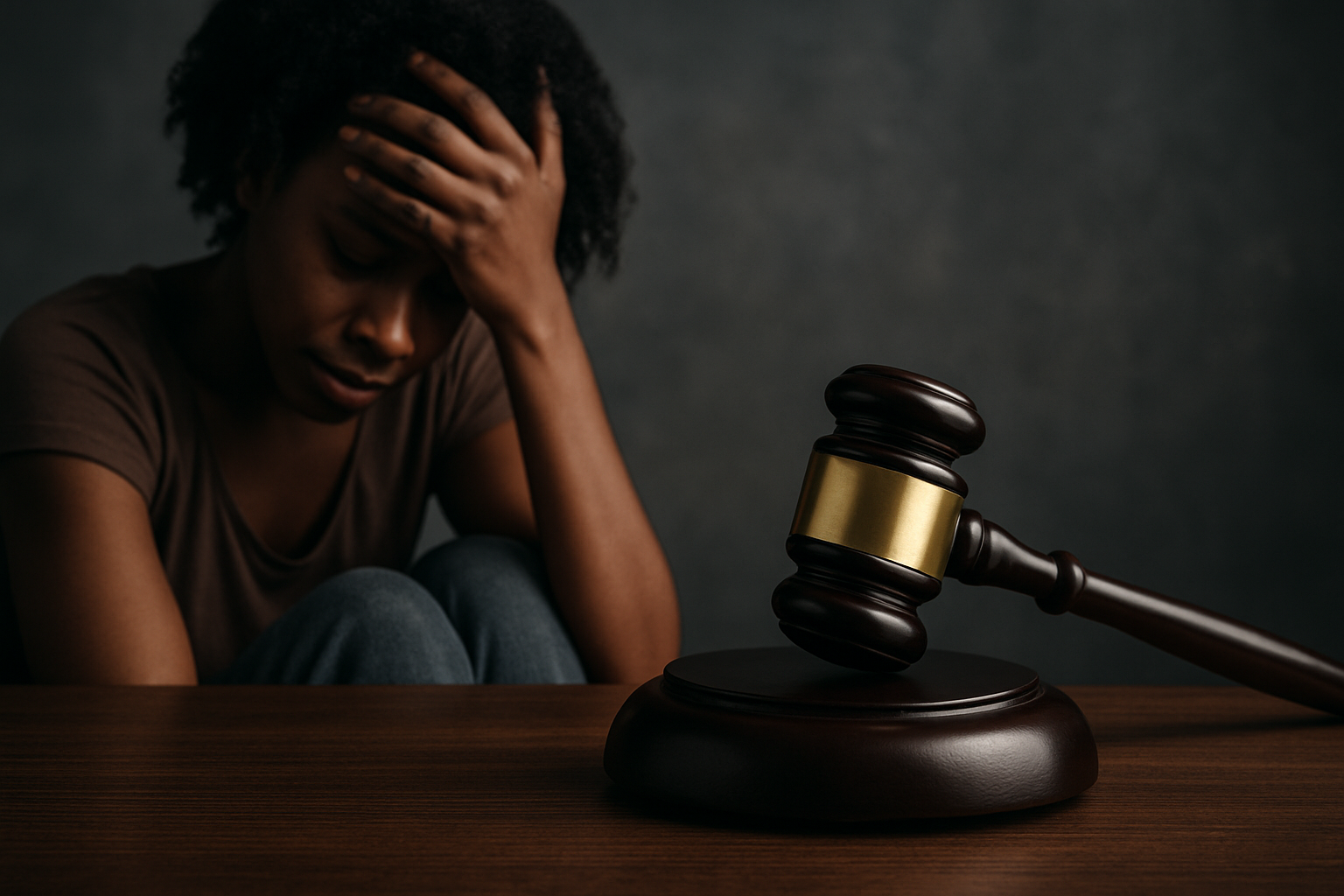
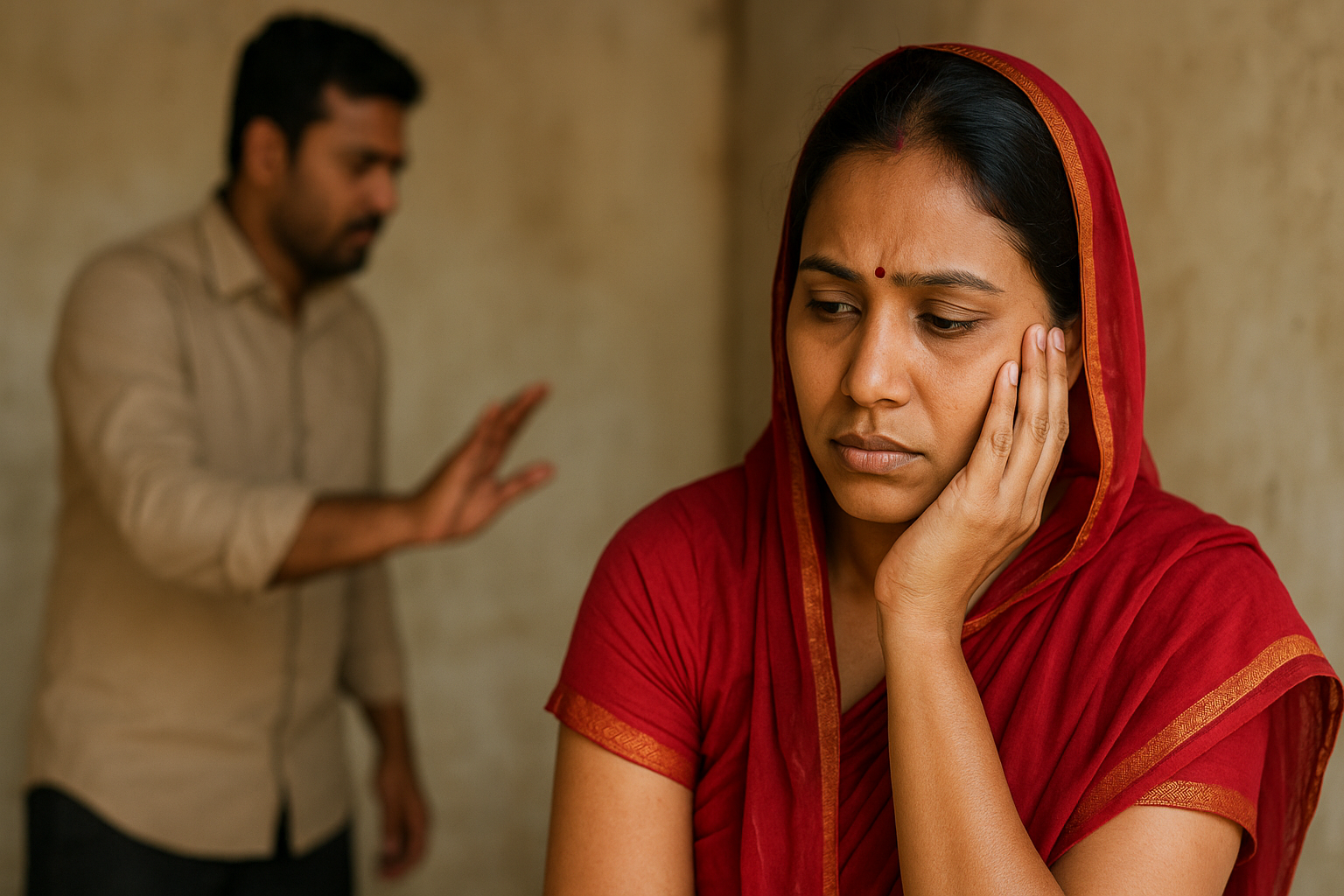
In many societies, victims of abuse harassment or violence are often told to remain silent and “ endure” their suffering this silence this silence is not pressure,fear, stigma and sometimes even legal inadequacies the phrase reflects a harsh reality pain that is supposed does not disappear it deepens victims, particularly of sexual violence domestic abuse and workplace harassment are frequently discouraged from speaking out they are told to protect family honor, avoid public shame or maintain social harmony this culture of silence shifts the burden from the offender to the victim.
Psychological impact
Forced silence has severe psychological consequences depression and anxiety post – traumatic stress disorder [ PTSD ] loss of self – esteem emotional isolation silencing victims often intensifies their trauma making recovery more difficult and prolonged.
Maine problems?
The main problem is that victims are not allowed to speak openly about their pain They are told thing “ what will people say” think about your family respect forget it and move on . because of this pressure victims keep their pain inside and do not report the crime .
Why do victims stay silent?
Fear of being blamed or judged fear of the accused person lack of trust in police or court’s social pressure and shame. Feeling alone and helpless loss of confidence so silence does not solve the problem it makes it worse.
Constitution perspective
Under the constitution of India every individual has basic rights
- Article 14 right to equality.
- Article 19 freedom of speech and expression.
- Article 21 right to life and personal liberty.
telling a victim to “ stay silent” or “ endure” violates these fundamental rights.
Criminal law perspective
Silencing a victim can amount to a criminal offences .
Threatening a victim criminal intimidation. Preventing someone from reporting a crime obstruction of justice. pressuring for compromise in serious offences [ like sexual assault ] illegal this means “ just tolerate it” is not only morally wrong but can also be legally punishable.
Special laws for protection
Posh act, 2013 protection against workplace sexual harassment.
Domestic violence act,2005 protection from abuse at home. These laws exist to ensure victims can speak up without fear .
Criminal law framework under BNS,2023
The Bharatiya nyaya sanhita,2023 introduces provisions that directly and indirectly address victim silence.
Section 351 BNS criminal intimidation threatening a victim to stop them from reporting a crime.
Section 354 BNS assault or criminal force to women with intent to outrage modesty includes acts that silence or control women through fear.
Section 64 BNS punishment for rape recognizes the seriousness of sexual offences where victims are often silence .
Section 74 BNS sexual harassment protects victims from unwelcome acts are retaliation.
Criminal procedure BNSS,2023 ensures victim friendly procedures ,such as in – camera trials.
Judicial approach
Modern courts follow a victim – centric approach “silence is not consent” victim blaming and victim silencing are unacceptable the state must create a safe environment for reporting crime .
Expanded case law analysis
Vishaka vs State of Rajasthan
Established workplace harassment guidelines recognized that silence is often forced due to fear and stigma.
Judgement
The supreme court of India delivered a landmark judgement recognizing sexual harassment at the workplace as a violation of fundamental rights.
Bench strength
The case was decided by a 2 judge bench decision bench of the supreme court.
Names of the judges
Justice J.S.verma presiding judge (main judge)
Justice Sujata v. Manohar
Nirbhaya case
Led to criminal law reforms (2013) emphasized dignity, victim protection,and strict punishment.
Case back ground
The case related to the brutal gang rape and murder of a young woman in Delhi in December 2012 it led to nationwide protects and major reforms in criminal law.
Judgement by the supreme court (2017)
The supreme court upheld the decision of the lower courts and awarded the death penalty to the tour accused.
Key findings of the court
Held that this crime falls under the “ rarest of rare cases” due to its extreme brutality, inhuman nature and societal impact.
Bench judges of the supreme court
The judgment was delivered by a 3 judge bench of the supreme court of India.
Names of the judges
Justice Dipak misra (presiding judge)
Justice R.banumathi
Justice Ashok Bhushan.
State of Punjab v Gurmit Singh.
Bodhisattwa Gautam v Subhra Chakraborty.
Reference(S):
Constitution of India
Bharatiya nyaya sanhita,2023
Bharatiya sakshya Adhiniyam,2023
Posh act, 2013
Domestic violence act,2005
Supreme court judgement.
Conclusion
The silence imposed on victims in the name of endurance is not a sign of strength,but a reflection of deep rooted social, cultural,and legal failures when individuals are encouraged or forced to suppress their pain,it perpetuates injustice, protects perpetrators and denies victims their fundamental rights to dignity and justice true progress lies in breaking this silence by fostering awareness, strengthening legal protection and creating safe spaces where victims feel heard, supported,and empowered to speak society must shift from a culture of accountability and compassion, ensuring that no victim suffers in silence and every voice is acknowledged with respect and seriousness.