Authored By: Thandoluhle Enough Sosibo
University of KwaZulu Natal
Abstract.
The central issue of this article is whether the South African legal framework protects the asylum seekers or the refugees. The main argument is that the South African Refugees Act provides legal recognition and protection to refugees by safeguarding their right to enter and remain in the country, in line with international obligations. It provides them with the rights that are enjoyed by South African citizens. There have also been recent developments which have strengthened protection. However, there are still challenges faced by refugees mainly that, there are poor refugee administrative systems, no camp policy and xenophobia. Despite the challenges South African legal framework protects refugees, and the challenges will be fixed as time flies.
The South African law provides for the protection of refugees through enacted law. The Refugees Act provides protection to refugees and grants them the rights enjoyed by South African citizens. However, there are still challenges faced by refugees in South Africa. This issue is significant because even though refugees are recognized under South African, they still face some challenges, so further measures need to be implemented to best accommodate refugees in South Africa. This Legal Article will discuss how the South African law protects refugees, the challenges faced by the refugees in South Africa and the ways South African law can be improved to best accommodate refugees.
Main Body.
Legal Framework.
In terms of s 232 of the Constitution provides that customary international is law in South Africa unless it is inconsistent with legislation or the Constitution.[1] In terms of s 233 of the Constitution, when interpreting any legislation, every court must prefer an interpretation that is line with international law .[2] These sections allow South Africa to enact principles of international law that protect refugees, and hence the refugees act was enacted which contains international law principles.
The South African law provides protection for refugees through the Refugees Act 130 of 1998. The Act brings principles of international law in South Africa. The purpose of the Act is provided in the long title where the Act provides that it was enacted “to give effect within the Republic of South Africa to the relevant international legal instruments, principles and standards relating to refugees; to provide for the reception into South Africa of asylum seekers; to regulate applications for and recognition of refugee status; to provide for the rights and obligations flowing from such status; and to provide for matters connected therewith”.[3]
Section 2 of the Refugees Act of 1998 contains the international law principle of non-refoulment which protects refugees from being refused entry, expelled, and returned to their country of origin if such a person is compelled to return to or remain in a country where he or she may be subjected to persecution on account of his or her race, religion, nationality, political opinion or membership of a particular social, or when his or her life, physical safety or freedom would be threatened on account of external aggression, occupation, foreign domination or other events seriously disturbing or disrupting public order in either part or the whole of that country.[4]
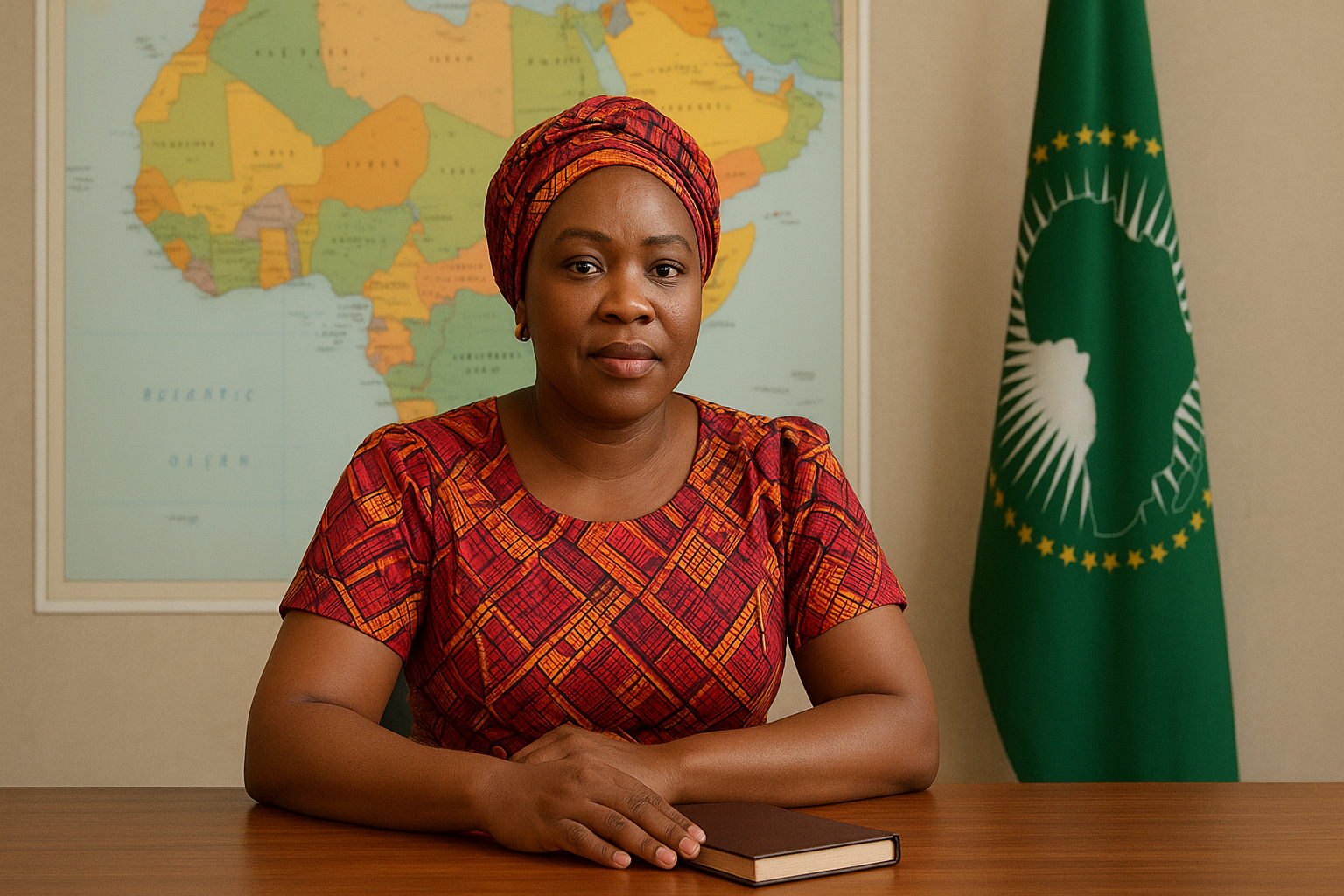
The refugees Act includes the United Nations definition of a refugee which grants protection to those who have a well-founded fear of persecution. The South African law definition gives further protection than that provided by the United Nations definition, by including the extended African Union definition entrenched in the OAU Convention, which provides refugee status to those who are compelled to leave their habitual residence to seek refugee status elsewhere because of external aggression, occupation, foreign domination or events seriously disturbing or disrupting public order in either a part or the whole of his or her country of origin or nationality.
Chapter 5 of the Refugees Act provides the rights and obligations of refugees. In terms of section 27, refugees are entitled among other rights, to enjoy legal protection, which includes the rights set out in Chapter 2 of the Constitution. Chapter 2 of the Constitution is the bill of rights. The rights contained in chapter 2 are namely, the right to dignity, privacy, right to life, right to education, right to health care, and other rights. Section 27 means that all these rights in Chapter 2 are enjoyed by the refugees.[5] The Constitution of the Republic of South Africa does not provide rights to the citizens or nationals, but it provides rights to everyone who resides in South Africa lawfully.
In terms of section 27 of the Refugees Act, the asylum seekers are entitled to receive an identification document, valid for six months. This document provides them with the same rights as South African citizens.[6]
The legal framework of South Africa protects the refugees as outlined above. The refugees enjoy the same rights in the Bill of Rights that are enjoyed by the South African citizens. The people who seek refugee status cannot be refused entry in South Africa, if it is found that when they go back to their country of origin, they will face persecution or will be forced to live their place of habitual because of major crisis like external aggression.
Judicial Interpretation.
There have been case laws pertaining to refugees in South Africa, where judges emphasized the protection of refugees through the application of the Refugees Act.
In the case of Farqizada v Minister of Home Affairs, the twenty-two Afghanistan nationals, sought refugee status in South Africa. These nationals were refused entry by the Department of Home Affairs. The Department of Home Affairs said that the applicants already had protection in Zimbabwe and there was no threat of persecution. The court said according to regulation 22(2) of the Immigration Act, entry may be refused only on the basis that an asylum seeker already has refugee status in another country. The court said that the applicants had no refugee status in another country, so the Department of Home Affairs acted improperly in refusing entry. The court further emphasized section 2 of the Refugees Act, which contains the non-refoulment principle, that a person cannot be refused entry, expelled, extradited or returned, if the person will be persecuted, lose freedom or be physically harmed because of such expulsion, extradition or return. The court said that the prohibition takes precedence over all other laws, including the refugees Act itself.[7]
Critical Analysis.
Farqizada v Minister of Home Affairs
The case of Farqizada v Minister of Home Affairs, reinforced the protections granted to refugees under the South African law, that the people who seek refugee status in South Africa cannot be refused entry without a proper justification. The South African law considers refugees as important and in need of protection. Regulation 22(2) of the Immigration Act limits the power of the Department of Home Affairs to only refuse entry in the Republic if the person has a refugee status from another country. The law of South Africa takes cognizance about the possible abuse of power by the public officials if their power is not limited by law. If the powers of the Department of Home Affairs were not limited, this would result in refusals of entry towards refugees without proper justification. The court further emphasized the non-refoulment principle contained in section 2 of the Refugees Act, that prohibits the refusal of entry, extradition, expulsion or return of refugees.
Challenges faced by Refugees in South Africa.
As much as the South African legal framework protects the refugees at all costs, there are still challenges faced by refugees in South Africa:
Xenophobia.
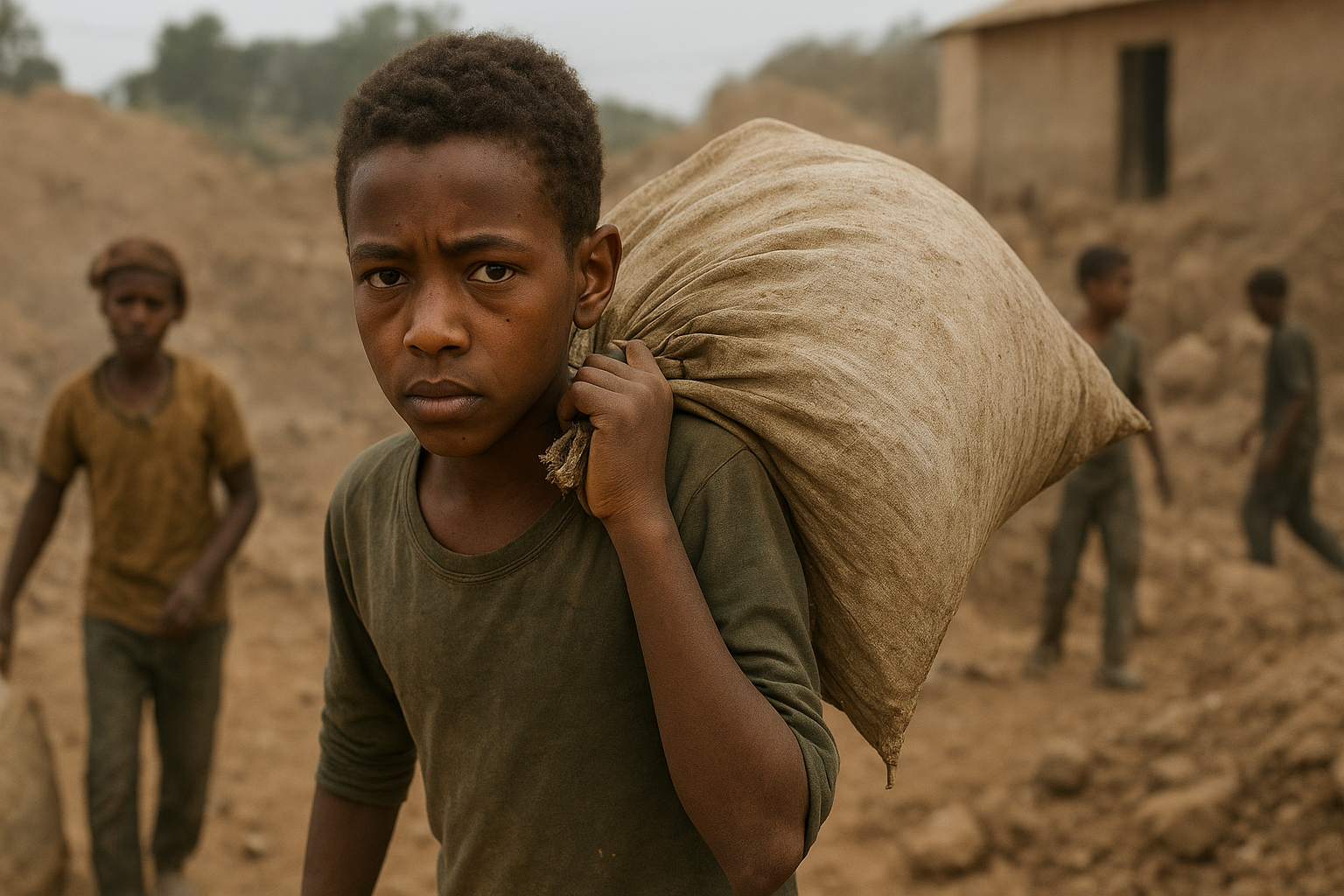
Xenophobia is widely defined as an irrational fear of the unknown, the fear or hatred of foreigners by nationals against non-nationals. It is manifested in several ways including using derogatory terms and unacceptable violence against foreigners. The asylum seekers and refugees often face xenophobia since they are distinguishable from South Africans are visible because of their legal status. The catalyst of this, is potentially the lack of knowledge on the South African people. They think all the foreigners are unlawful citizens whereas that is not true, asylum seekers and refugees are here lawfully.[8]
Poor Administrative systems.
South Africa receives several asylum seeker applications. The problem is that there are not enough resources to accommodate the applicants. The South African Human Rights Commission and migrant experts, amongst others have raised serious concerns about the failure to achieve satisfactory standards of administrative justice. The asylum seeker applicants often must wait because of unfair delays.[9] The system is bureaucratic, inefficient, and overburdened. Asylum seekers often wait for up to 10 years for the resolution of their case and must renew their documentation continuously. During the period of waiting, asylum seekers are often left without protection.[10]
No Camp Policy.
A refugee camp is a temporary facility built to provide important humanitarian services and protection to those who are forced to flee. South Africa does not have a refugee camp policy, so the refugees in the country mostly live in urban areas with community members of the country rather in isolation in a camp.[11] This exposes the refugees to ill treatment by the community members who think the refugees are in the country unlawfully.
Recent Developments.
There have been developments in the law for the continued aim to protect the refugees in South Africa or those who are asylum seekers. There are recent judgements which shows the South African courts upholding the protection of refugees. In the case of Ruta v Minister of Home Affairs, which is Constitutional Court case and the judgement was delivered in 2018. The Constitutional Court held that the Refugees Act is clear that the delay in applying for asylum in South Africa does not disqualify an asylum application. The only grounds on which the application can be refused are the grounds set out in the Refugees Act itself. The Constitutional court fixed the conflict between the two Acts, which are the Immigration Act and the Refugees Act.
Moreover, under the Immigration Act, if the foreigner entered in South Africa unlawfully, they need to be deported even if they subsequently apply for asylum, their application is refused. The court said that the application cannot be refused in relation to the Immigration Act, but it can only be determined under the Refugees Act if the applicant qualify for a refugee status or who may seek asylum even if the foreigner entered unlawfully, their application must be considered to comply with international law principles ratified by South Africa particularly the Non- Refoulment principle.[12]
This case shows the efforts by South African courts in interpreting the law to protect those who flee from their countries to seek protection. However, the court also emphasized that the non-South African nationals do not have the right to enter, remain or reside anywhere in the Republic unlawfully, there is no such right under international conventions. Someone who entered in South Africa unlawfully, who subsequently applies for asylum, is given a chance and their application is considered to comply with South Africa’s international and regional law obligations, to ensure that the asylum seekers who are here unlawfully, are not deported summarily under the Immigration.[13]
Moreover, another recent development is that there have been amendments to the Refugees Act and Immigration Act to enforce the need for good cause when an asylum seeker entered illegally or delayed their application. The court made it clear in the Lembone v. Minister of Home Affairs case that if an asylum seeker enters South Africa illegally, their detention under the Immigration Act is still permissible until they give good cause for their illegal entry or postponed asylum application. Although the decision can be challenged, the applicant may still be detained and possibly deported if they are unable to provide sufficient justification.[14]
Critical Analysis.
The cases of Alex Ruta v Minister of Home Affairs and the case of Lembone v Minister of Home Affairs, show the development of the law of South Africa to protect the refugees and asylum seekers from being denied asylum or refugee status in South Africa, for reasons not under the Refugees Act. These cases show that the priority aim should be to grant asylum or refugee status to those who apply for it unless there are valid reasons under the Refugees Act which stipulates that they cannot be granted. However, these cases also show that even though South Africa prioritizes the protection of those who seek asylum or refugee status, the country does not condone those who enter in South Africa unlawfully and those who delay in applying for asylum.
Furthermore, those who come here unlawfully are detained under the Immigration Act, but are not deprived to apply for asylum, they need to provide valid reasons for their illegal entry and those who delay in applying must provide valid reasons for the delay, but the delay in applying and being in South Africa unlawfully cannot be the reason for the denial of asylum or refugee status.
Suggestions/Way forward.
There is a lack of knowledge among South Africans about, who is a refugee, who is a foreigner, where do they come from, what are they doing here and what are their rights. This results to violence by South African people towards the refugees. In order to fix this problem, the government must organize campaigns that will educate the South African people about the refugees, and that they are not here unlawfully and that the reason why they are here, it is because they have a well-founded fear of persecution or that their safety, freedom and life is threatened in their country of origin. If South African people can understand this, the xenophobic attacks can be lessened.
Improve administrative systems.
The government must provide funds to improve the administrative systems to avoid the delays in processing the refugee applications. The funds must be used to train the staff to better handle and process applications. More staff must be employed to ensure a faster process of processing applications.
Creating Camps for Refugees.
The government can create camps for the refugees to stay on, while waiting for the processing of their applications. This can ensure that the refugees are safe because some of them cannot afford to get places to stay. This will also ensure that the refugees are not attacked by the communities who believe that the refugees are here unlawfully. The refugee camps must be temporally while refugees are looking for places to stay. When they get places to stay, they can go to stay at those places with the community, to ensure that they are integrated into the community. The government must also ensure that there is no harm to them, by educating the people about refugees.
Conclusion.
The legal framework of South Africa provides the protection towards the refugees. According to the Constitution, international laws, including the laws that protect refugees, are laws in the republic unless they are inconsistent with the Constitution. This provision allows us to enact international customary laws and bring them to our law; hence we enacted the Refugees Act which includes the principles of customary international, namely the non-refoulment principle. The Refugees Act protects the refugees and provides them rights, protect them from being denied access in South Africa and many other protections. However, the refugees still face challenges in South Africa, namely the Xenophobia, poor administrative processes, and no camp policy. The government needs to address these problems, as outlined in the suggestions made above, to ensure the protection of refugees as they need help and protection.
Reference(S):
Constitution
- Afr. Const., 1996.
Legislation
Refugees Act 1998 (S. Afr)
Journal Articles
Jeff Handmaker & Jennifer Parsley, Migration, Refugees, and Racism in South Africa, 20. REFUGE 40 (2001).
Case Laws
Faqirzada and Others v Minister of Home Affairs and Others 2023 (B25) SAFFLI 1283 (GNP) (S. Afr).
Ruta v Minister of Home Affairs 2019 (2) SA 329 (CC) (S. Afr).
Internet Sources
Beverly Goldberg, Refugees in South Africa: What You Need to Know, HIAS (Oct 2, 2024), https://hias.org/news/refugees-south-africa-what-you-need-know/.
Mohammed Moolla, Understanding South Africa’s immigration and refugee policies: Key laws and recent court rulings, De Rebus (Feb. 25, 2025), https://www.derebus.org.za/understanding-south-africas-immigration-and-refugee-policies-key-laws-and-recent-court-rulings/.
[1] S. Afr. Const., 1996. s 232.
[2] S. Afr. Const., 1996. s 233.
[3] Refugees Act 1998(Long title) (S. Afr)
[4] Refugees Act 1998 § 2(a)-(b) (S. Afr.).
[5] Refugees Act 1998 § 27(b) (S. Afr.).
[6] Refugees Act 1998 § (d)
[7] Faqirzada and Others v Minister of Home Affairs and Others 2023 (B25) SAFFLI 1283 (GNP) at para. 24-32 (S. Afr).
[8] Jeff Handmaker & Jennifer Parsley, Migration, Refugees, and Racism in South Africa, 20. REFUGE 40, 44 (2001).
[9] Id pg. 43.
[10] Beverly Goldberg, Refugees in South Africa: What You Need to Know, HIAS (Oct 2, 2024), https://hias.org/news/refugees-south-africa-what-you-need-know/.
[11] Beverly Goldberg, Refugees in South Africa: What You Need to Know, HIAS (Oct 2, 2024), https://hias.org/news/refugees-south-africa-what-you-need-know/.
[12] Ruta v Minister of Home Affairs 2019 (2) SA 329 (CC) at para 52-54 (S. Afr).
[13] Id
[14] Mohammed Moolla, Understanding South Africa’s immigration and refugee policies: Key laws and recent court rulings, De Rebus (Feb. 25, 2025), https://www.derebus.org.za/understanding-south-africas-immigration-and-refugee-policies-key-laws-and-recent-court-rulings/.