Authored By: Vongi Florence Shiviti
University of South Africa
Abstract
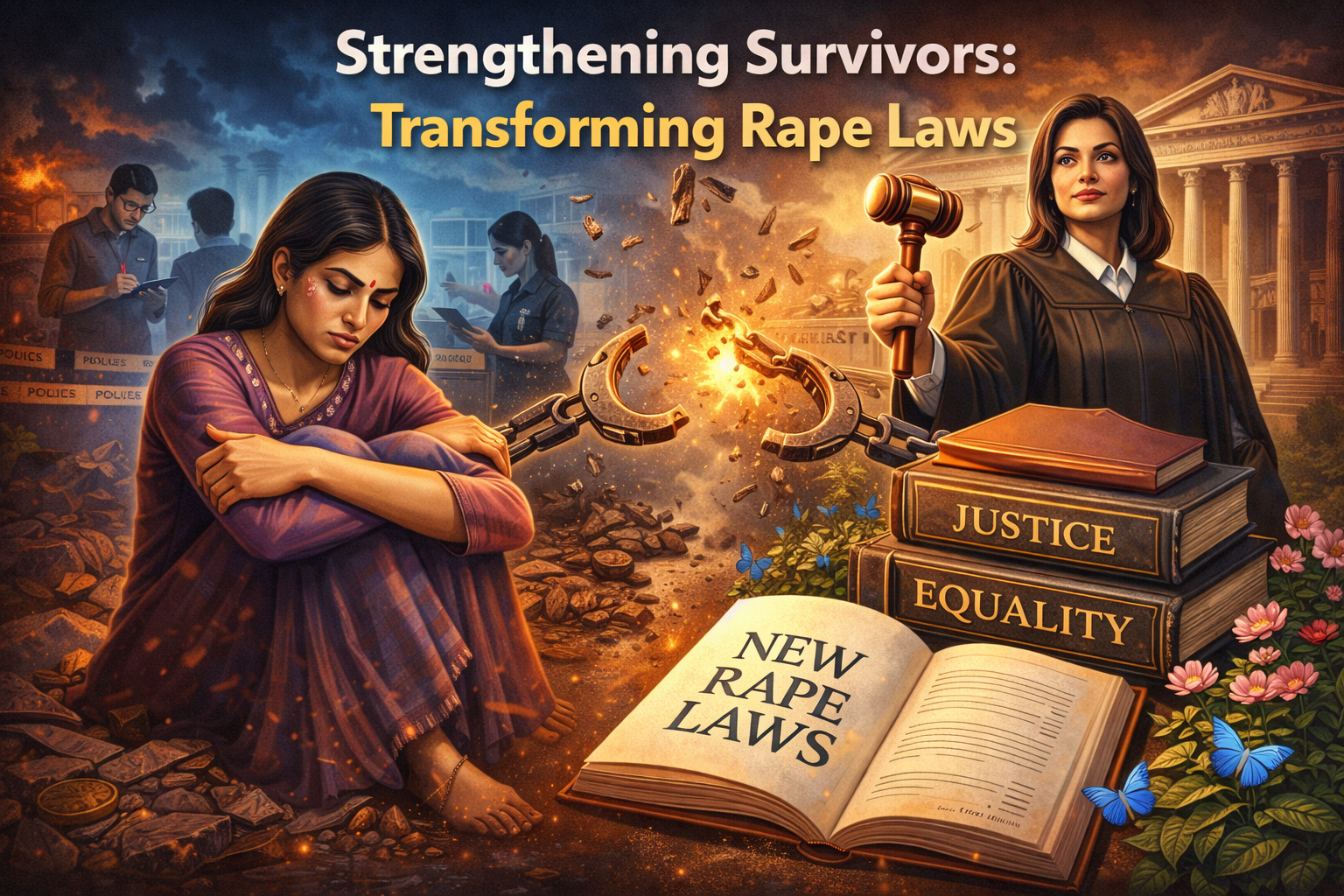
Gender-based violence (GBV) remains one of South Africa’s most pressing human rights and legal challenges. Despite a progressive Constitution and comprehensive legislation aimed at protecting victims, incidents of domestic violence, sexual offences, and femicide remain alarmingly high. This article examines the legal framework governing gender-based violence in South Africa and evaluates the effectiveness of the criminal justice system in addressing these offences. It analyses relevant constitutional provisions, statutory measures, and judicial developments while highlighting the challenges that hinder effective implementation. The article concludes by recommending reforms aimed at strengthening victim protection, improving law enforcement responses, and enhancing public confidence in the justice system.
Keywords: Gender-based violence, South Africa, Constitution, Criminal Justice System, Domestic Violence, Sexual Offences.
1. Introduction
Gender-based violence is one of the most significant legal and social problems confronting South Africa. It encompasses violence directed at individuals because of their gender and includes domestic violence, rape, sexual assault, emotional abuse, economic abuse, stalking, and femicide. Women and girls remain disproportionately affected, although men and children may also become victims.
South Africa has adopted one of the world’s most progressive constitutional frameworks, guaranteeing equality, dignity, freedom, and security of the person. Despite these constitutional protections, the country continues to experience exceptionally high rates of violence against women. The persistence of GBV demonstrates that legislation alone is insufficient without effective implementation and accountability.
The South African government has introduced several legislative reforms aimed at combating gender-based violence. These include the Domestic Violence Act 116 of 1998, the Criminal Law (Sexual Offences and Related Matters) Amendment Act 32 of 2007, and the Criminal and Related Matters Amendment Act 12 of 2021, which strengthened protections for victims of sexual offences and domestic violence. Nevertheless, victims continue to encounter numerous barriers when seeking justice, including delays in investigations, inadequate victim support services, underreporting, and low conviction rates.
This article examines the legal measures adopted to combat gender-based violence in South Africa and evaluates whether the criminal justice system effectively protects victims and prosecutes offenders. It further identifies the practical challenges affecting enforcement and proposes recommendations to improve the country’s response to gender-based violence.
2. Background to Gender-Based Violence in South Africa
Gender-based violence has deep historical, cultural, and socio-economic roots in South Africa. The legacy of apartheid, entrenched gender inequality, poverty, unemployment, substance abuse, and patriarchal social norms have contributed to widespread violence against women and children.
GBV affects not only individual victims but also families, communities, and the national economy. Survivors often suffer severe physical injuries, psychological trauma, loss of income, and long-term emotional consequences. Children who witness domestic violence are also more likely to experience emotional and behavioural difficulties and may perpetuate cycles of violence later in life.
The South African Constitution recognises that every person has inherent dignity and the right to freedom and security. These constitutional rights impose a positive obligation on the state to prevent violence, protect victims, investigate crimes effectively, and prosecute offenders. Failure to fulfil these obligations undermines the rule of law and public confidence in the criminal justice system.
Over the past decade, public awareness campaigns and civil society movements have increased pressure on government institutions to strengthen legal protections for victims. National dialogues and policy initiatives have resulted in significant legislative amendments, demonstrating South Africa’s commitment to combating gender-based violence. However, practical implementation remains inconsistent across different provinces and institutions.
3. Constitutional and Legislative Framework
The Constitution of the Republic of South Africa, 1996, forms the foundation of the country’s legal response to gender-based violence.
3.1 Constitutional Protection
Section 9 guarantees the right to equality and prohibits unfair discrimination on the basis of gender and sex. This provision obliges the state to ensure equal protection and benefit of the law for all persons.
Section 10 protects every person’s inherent dignity. Victims of domestic violence and sexual offences experience serious violations of this constitutional right.
Section 12 guarantees the right to freedom and security of the person, including protection from all forms of violence from either public or private sources. Importantly, the Constitution recognises that the state has a duty not only to refrain from violating rights but also to take reasonable measures to protect individuals from violence committed by private persons.
3.2 Domestic Violence Act 116 of 1998
The Domestic Violence Act provides legal protection for victims experiencing abuse within domestic relationships. It defines domestic violence broadly to include physical abuse, emotional abuse, sexual abuse, economic abuse, intimidation, stalking, harassment, and damage to property.
The Act enables victims to apply for protection orders through the courts. Where a protection order is violated, the offender may be arrested and prosecuted. The legislation also imposes duties on members of the South African Police Service (SAPS) to assist complainants and ensure their safety.
3.3 Criminal Law (Sexual Offences and Related Matters) Amendment Act 32 of 2007
This Act modernised South Africa’s sexual offences legislation by expanding the legal definitions of sexual offences and strengthening protection for vulnerable persons.
The Act provides comprehensive definitions of rape and sexual assault and establishes procedures intended to minimise secondary victimisation during criminal proceedings. It also regulates post-exposure prophylaxis for victims of sexual offences and establishes the National Register for Sex Offenders.
3.4 Criminal and Related Matters Amendment Act 12 of 2021
Following widespread public concern regarding violence against women, Parliament enacted significant amendments in 2021. These reforms strengthened bail provisions, expanded access to protection orders, improved information-sharing regarding offenders, and enhanced protection for victims throughout criminal proceedings.
The amendments reflect government’s continued commitment to improving the legal framework for addressing gender-based violence while recognising that further implementation challenges remain.
4. Relevant Case Law
South African courts have played a significant role in strengthening the protection of victims of gender-based violence by interpreting constitutional rights and holding the state accountable where it fails to protect vulnerable persons.
One of the leading cases is Carmichele v Minister of Safety and Security and Another 2001 (4) SA 938 (CC). The Constitutional Court held that the State has a constitutional duty to protect individuals, particularly women, from violent crime. The Court found that the police and prosecutors could be held liable where their negligent conduct contributed to harm suffered by victims. This decision reinforced the principle that government institutions have a positive obligation to prevent gender-based violence.
Another important case is S v Baloyi 2000 (2) SA 425 (CC). The Constitutional Court recognised domestic violence as a serious social problem that violates constitutional rights to dignity, equality and freedom. The Court emphasised that domestic violence often occurs behind closed doors and requires effective legal intervention. The judgment confirmed that the Domestic Violence Act serves an important constitutional purpose by providing swift protection for victims.
In Minister of Safety and Security v Van Duivenboden 2002 (6) SA 431 (SCA), the Supreme Court of Appeal held that public authorities may be liable where they negligently fail to prevent foreseeable harm. Although not exclusively concerned with gender-based violence, the judgment strengthened the legal principle that the State may be held accountable when its failure to act contributes to violent crime.
These decisions illustrate the judiciary’s commitment to enforcing constitutional rights and ensuring that public authorities fulfil their legal responsibilities in protecting victims of violence.
5. Challenges Facing the Criminal Justice System
Despite South Africa’s comprehensive legal framework, several practical challenges continue to undermine the effectiveness of the criminal justice system in addressing gender-based violence.
The first challenge is underreporting. Many victims do not report abuse because they fear retaliation, financial dependence on the perpetrator, social stigma, or a lack of confidence in the criminal justice system. As a result, many offences remain uninvestigated and unpunished.
A second challenge is poor police response. Although members of the South African Police Service are legally required to assist victims, reports have identified instances where complaints are ignored, investigations are delayed, or victims are treated insensitively. Such conduct discourages victims from pursuing justice.
Another significant problem is delays in criminal proceedings. Heavy court workloads, shortages of prosecutors, and postponed trials often result in lengthy delays before cases are finalised. These delays increase emotional trauma for victims and may weaken the quality of evidence.
The justice system also faces resource constraints. Many rural communities have limited access to specialised courts, shelters, counselling services, forensic facilities, and legal assistance. This inequality affects the quality of protection available to victims depending on where they live.
Finally, low conviction rates remain a concern. Challenges such as insufficient evidence, witness intimidation, withdrawal of complaints, and procedural shortcomings often prevent successful prosecutions. Consequently, many offenders escape accountability, weakening public confidence in the justice system.
6. Recommendations
To improve South Africa’s response to gender-based violence, several reforms should be considered.
Firstly, the government should strengthen training programmes for police officers, prosecutors, magistrates, and healthcare professionals to ensure that victims are treated with dignity, sensitivity, and professionalism.
Secondly, greater investment should be made in specialised Sexual Offences Courts, victim support centres, shelters, forensic laboratories, and counselling services. Adequate funding is essential to ensure that victims receive timely and effective assistance.
Thirdly, public awareness campaigns should continue to educate communities about legal rights, available support services, and the importance of reporting violence. Education can also challenge harmful gender stereotypes and promote respect for human rights.
Fourthly, the criminal justice system should prioritise the speedy investigation and prosecution of gender-based violence cases. Reducing unnecessary delays would improve victim confidence and increase the likelihood of successful convictions.
Finally, stronger cooperation between government departments, civil society organisations, educational institutions, and community leaders is necessary to develop comprehensive prevention strategies. Addressing the root causes of gender inequality is essential for achieving long-term reductions in gender-based violence.
7. Conclusion
Gender-based violence remains one of South Africa’s most urgent legal and social challenges. Although the Constitution guarantees equality, dignity, and freedom from violence, many victims continue to experience abuse and encounter significant barriers when seeking justice.
Legislative measures such as the Domestic Violence Act, the Criminal Law (Sexual Offences and Related Matters) Amendment Act, and subsequent reforms demonstrate the State’s commitment to protecting vulnerable individuals. Judicial decisions such as Carmichele v Minister of Safety and Security and S v Baloyi have reinforced the constitutional obligation to protect victims and hold public authorities accountable. Nevertheless, implementation challenges, including underreporting, inadequate police responses, delays in criminal proceedings, and limited resources, continue to undermine the effectiveness of the legal framework.
Ultimately, combating gender-based violence requires more than legislation alone. Effective enforcement, adequately resourced institutions, public education, and collaboration between government and society are essential to ensuring that constitutional rights become meaningful realities for all South Africans.
Bibliography
Legislation
- Constitution of the Republic of South Africa, 1996.
- Criminal and Related Matters Amendment Act 12 of 2021.
- Criminal Law (Sexual Offences and Related Matters) Amendment Act 32 of 2007.
- Domestic Violence Act 116 of 1998.
Cases
- Carmichele v Minister of Safety and Security and Another 2001 (4) SA 938 (CC).
- Minister of Safety and Security v Van Duivenboden 2002 (6) SA 431 (SCA).
- S v Baloyi 2000 (2) SA 425 (CC).
Books
- Burchell J, Principles of Criminal Law (6th edn, Juta 2021).
- Currie I and De Waal J, The Bill of Rights Handbook (8th edn, Juta 2021).
Journal Articles
- Artz L and Smythe D, ‘Should We Consent? Rape Law Reform in South Africa’ (2008) 24 South African Journal on Human Rights 131.
- Bonthuys E, ‘Gender and the Judiciary in South Africa’ (2007) 23 South African Journal on Human Rights.