Authored By: Maya Hussain
Cardinal Newman College
Introduction
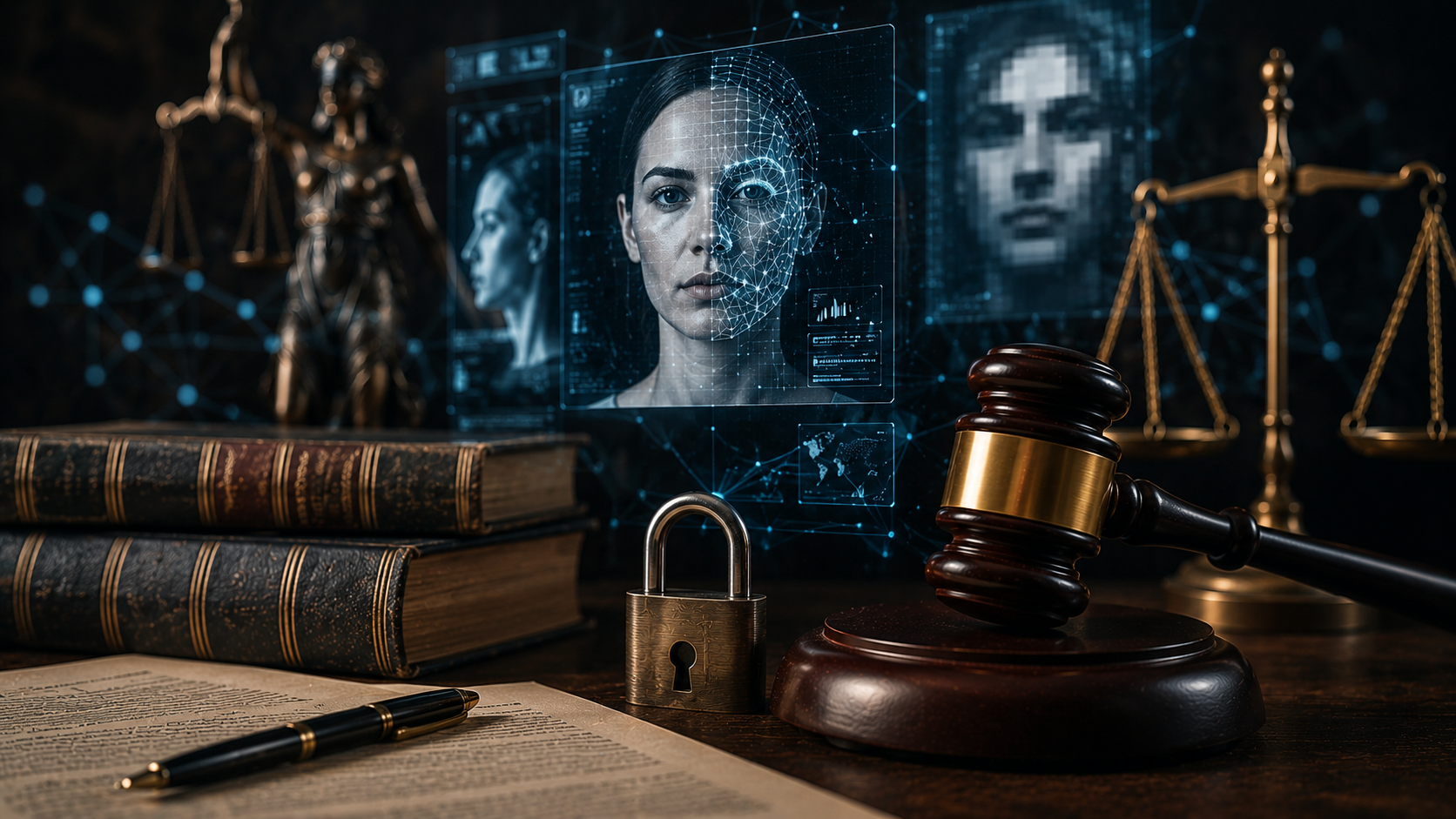
Deepfake frauds have resulted in a cost of $450,000 for businesses with attempts growing over 1,700% in North America. In addition to fraudulent scandals, 98% of deepfake images circulating are non consensual pornographic material, targeting vulnerable individuals such as women and children. Deepfake images are altered or digital generated images using platforms such as AI. They are able to create a deceiving appearance to make individuals appear as something which is not real. They can be in forms of nudity of individuals or fraudulent advertisements. The most common platforms where deepfakes circulate and are uploaded are Tiktok, Meta and Youtube. Further statistics established on the GOV.UK website show in 2025 8,000,000 deepfake videos have been shared increasing from 500,000 in 2023, displaying the appalling accessibility of such AI tools. It has become evident the UK government is now aware of such harmful platforms created to destroy the peace of the innocent with acknowledgment publicly made, however this article will argue and consider, is the Government acting fast enough to prevent digital deception? This article will focus on the dangers and impact of altered images and urgently needed government intervention for digital deception.
Main Body
Legal Framework
The foundational legislation regarding deepfakes and digital exploitation is under the Online Safety Act 2023 which came into Act on 31st January 2024, which updates legislation on keeping both adults and children safe online. It was put in place so social media and tech companies prevent illegal content from being surfaced and exposed to individuals, such as fraudulent advertising or child sexual abuse. To comply, tech companies have placed age restrictions to children or vulnerable individuals do not come into contact with pornography, videos encouraging self-harm or suicide and any other harmful content. If companies are liable for failing to comply, they will face fines or even have their services blocked in the UK.
A significant case for the Online Safety Act 2023 was R V Tyler Webb (Leicester Crown Court, 4th July 2025) [Unreported] which was the first prosecution made under S184 of the Online Safety Act 2023 where the defendant had encouraged self-harm through the online app, Telegram, which unfortunately led to the woman taking her own life. The defendant was found liable and sentenced to prison. This demonstrates how the Online Safety Act 2023 criminalises harmful behavior online.
Another significant case is the first cyberflashing conviction [2024] which falls under as an offence under the Online Safety Act 2023 which shows the courts holding individuals liable for abuse which takes place online. Deepfake images could potentially also fall under online abuse.
Legislative Analysis
Although the UK Government have placed legal repercussions for harmful content and behaviour displayed online, deepfakes to create deceiving images of an individual have not been found to be illegal, especially with the use of such platforms being accessible. Especially as such images can create detrimental impact on an individual’s mental health and social life, with many social media users being oblivious and unaware of what is real and what is AI generated. Nearly 250 British celebrities have fallen to the dangers of deepfake, with explicit images created of them. For example, Cathy Newman, a TV presenter who stated “It feels like a violation”. Everyday citizens have also been victims of deepfake pornography images who have false nude images created of them with a victim reporting “ It’s just very violent, very degrading. I trusted everyone before this”, showing the absurdity of such tools being available to the general public.
A key consideration which must be made when deciding to criminalise deepfake images is the right to privacy and the freedom of expression under the Human Rights Act 1998, Article 8 of the European Convention on Human rights, where an individual has a right to respect for their family and private life. This right could potentially be interfered with if an individual has become a victim to having sexually fabricated images created of them and spread around online without their consent. However, a counter argument which could be made is Article 10 which argues freedom of expression where an individual can practise their artistic desire, creativity, journalism or satire content. Therefore if deepfake platforms and access were to be made entirely criminal may become disproportionate with genuine expression.
The UK Government must then therefore, create laws which specifically target harmful and deceptive content created without interfering with Article 10, the right to expression.
Critical Analysis
Although the sharing of such images is considered illegal, generating and creating them are not, displaying the evident delays with updating the legislation. Is relying on multiple different legislations enough or should Parliament create a legislation specified for deepfake images and its accessibility? Protecting innocent citizens should be a priority and without urgent action taken by the Parliament to ban online deception and deepfake images there is a clear gap in legislation which is bringing significant harm and exploitation of advanced technology, removing trust within citizens and leading to increasing danger.
III. Conclusion
To conclude, there are numerous legislations in place to keep individuals safe from harmful content displayed online with serious penalties seen in the case of R V Tyler Webb. The main gap in legislation which my article covered which is the criminalisation of types of deepfakes images being generated, where many victims have come forward with how they have felt due to being targeted victims of altered nude pictures surfacing online. My article also urges for restrictions placed on the type of content generated whilst also considering the risk of banning deepfake platforms as a whole, such as Article 10 of the Human Rights Act 1998, which the UK Government should not do to stay in proportion to the Human Rights Act. However, specific legislation to ban generating pornographic and fraudulent advertising should be banned with the type of content being generated to be monitored more strictly by AI companies.
Reference(S):
Cases:
R V Tyler Webb (Leicester Crown Court, 4th July 2025) [Unreported]
Primary sources
Office H, “Government Leads Global Fight against Deepfake Threats” (GOV.UKFebruary 5, 2026) <https://www.gov.uk/government/news/government-leads-global-fight-against-deepfake-threats> accessed July 09, 2026
Legislation.Gov.UK, “Online Safety Act 2023” (Legislation.gov.uk2023) <https://www.legislation.gov.uk/ukpga/2023/50> accessed July 10, 2026
Secondary Sources
Badshah N, “Nearly 4,000 Celebrities Found to Be Victims of Deepfake Pornography” The Guardian (March 21, 2024) <https://www.theguardian.com/technology/2024/mar/21/celebrities-victims-of-deepfake-pornography> accessed July 08, 2026
“Deepfakes and the Crisis of Knowing” (Unesco.org2025) <https://www.unesco.org/en/articles/deepfakes-and-crisis-knowing> accessed July 09, 2026