Authored By: Vikas
Kcc Institute of Legal and Higher Education
Abstract
The fashion industry significantly impacts the environment and global labor markets, leading to increasing attention toward sustainability and ethical practices. This article examines sustainability and ethical fashion within the framework of fashion and luxury law. It explores how sustainable fashion promotes environmentally responsible production through eco-friendly materials, waste reduction, and circular economy practices, while ethical fashion focuses on fair labor conditions, transparent supply chains, and respect for workers’ rights. The article also highlights emerging legal regulations addressing environmental accountability and misleading sustainability claims such as greenwashing. It concludes that stronger legal frameworks, corporate responsibility, and informed consumer choices are essential to promote a more sustainable and ethical fashion industry.
Introduction
The fashion industry, renowned for its creativity, innovation, and cultural influence, has simultaneously been criticized for its significant environmental and social impacts. The rapid growth of fast fashion, characterized by mass production and accelerated product cycles, has intensified concerns over environmental degradation, including water pollution, high carbon emissions, and excessive textile waste. Moreover, the industry relies heavily on globalized supply chains, often situated in developing countries where labor protections may be weak, resulting in unsafe working conditions, unfair wages, and in some cases, exploitation of workers. These issues have raised urgent questions about the sustainability and ethical responsibility of fashion brands, prompting both consumer awareness and regulatory interventions.
In response, the concepts of sustainability and ethical fashion have emerged as guiding principles aimed at reducing environmental harm, promoting social justice, and enhancing transparency in supply chains. Sustainable fashion emphasizes resource-efficient production, eco-friendly materials, and circular economy practices, such as recycling and upcycling, to minimize ecological impact. Ethical fashion focuses on fair labor practices, human rights compliance, and accountability in sourcing and production processes.
Within the framework of fashion law and luxury law, these principles are increasingly reinforced by legal and regulatory measures. Environmental regulations, labor laws, and consumer protection statutes compel brands to operate responsibly, prevent misleading claims, and safeguard both the planet and human rights. This article examines the intersection of sustainability, ethics, and law in fashion, highlighting how legal compliance, corporate responsibility, and consumer awareness collectively drive a more responsible and socially conscious industry.
Background and Conceptual Framework
The fashion industry is one of the most influential and dynamic sectors of the global economy, yet it is also associated with substantial environmental and social challenges. The rise of fast fashion has intensified concerns about resource depletion, carbon emissions, water pollution, and textile waste. Simultaneously, the labor-intensive nature of the industry has led to reports of unsafe working conditions, child labor, and unfair wages, particularly in developing countries where a large portion of garment production occurs. These issues have prompted the emergence of sustainability and ethical fashion as critical concepts aimed at reducing environmental impact, ensuring social responsibility, and promoting transparency across the supply chain.
Sustainability in fashion emphasizes minimizing ecological harm through the adoption of eco-friendly materials, energy-efficient manufacturing processes, waste reduction strategies, and circular economy principles, such as recycling and upcycling textiles. The objective is to align production and consumption patterns with the long-term health of the environment while maintaining the viability of the fashion business. Ethical fashion, on the other hand, focuses on human-centric concerns, including labor rights, workplace safety, fair compensation, and accountability in sourcing practices. Together, these concepts form a framework for responsible and conscious fashion practices.
Legally, sustainability and ethical fashion intersect with environmental regulations, labor laws, and consumer protection frameworks. Environmental laws require brands to limit harmful practices, disclose their ecological impact, and adopt sustainable production methods. Labor regulations enforce safe and fair working conditions throughout global supply chains, while consumer protection laws ensure that sustainability claims are transparent and verifiable, preventing greenwashing. The integration of these legal principles with corporate responsibility and technological solutions such as blockchain for supply chain transparency forms the conceptual framework that guides sustainable and ethical practices in modern fashion and luxury industries. This framework not only addresses environmental and social challenges but also reinforces brand credibility and long-term industry viability.
Legal Analysis
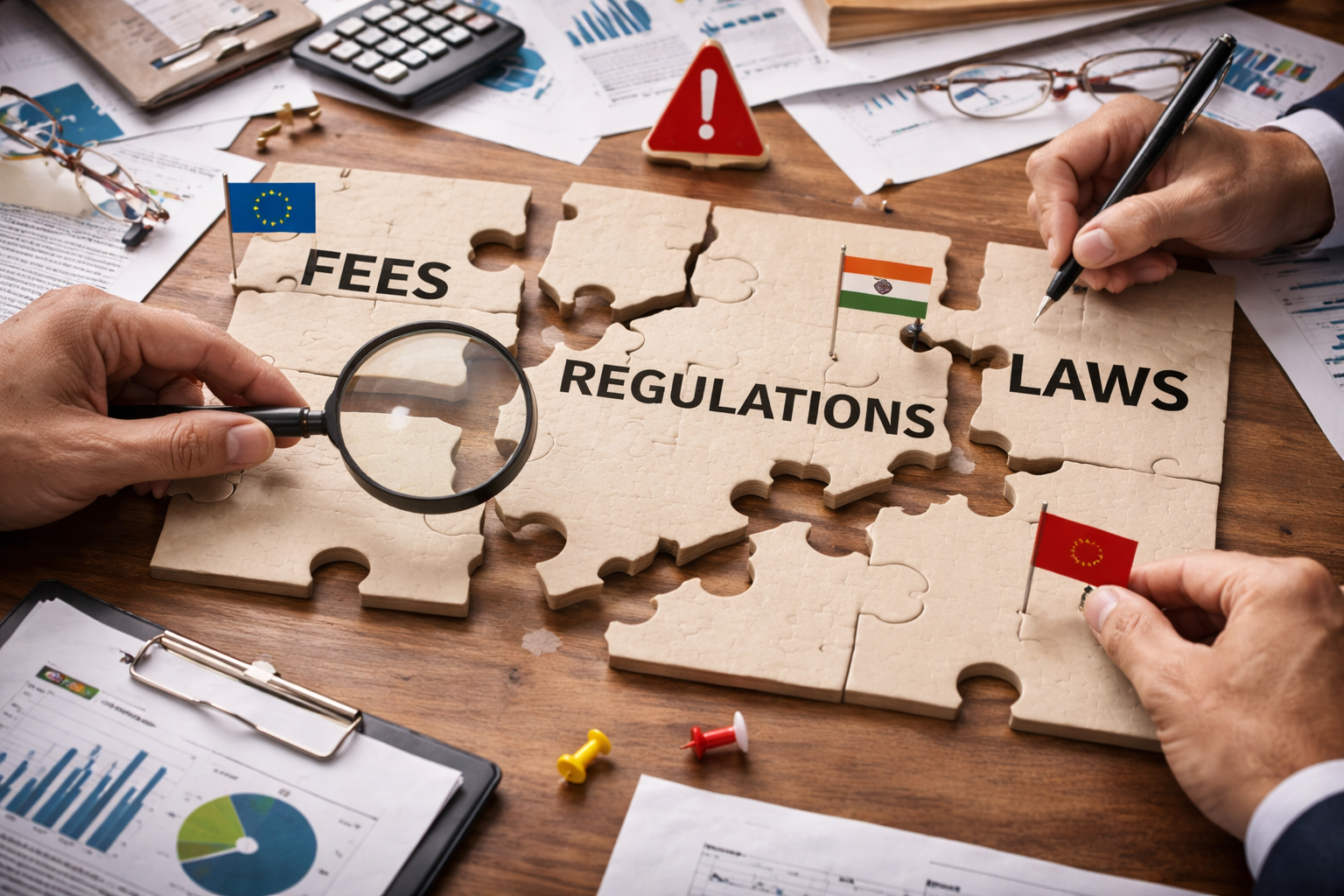
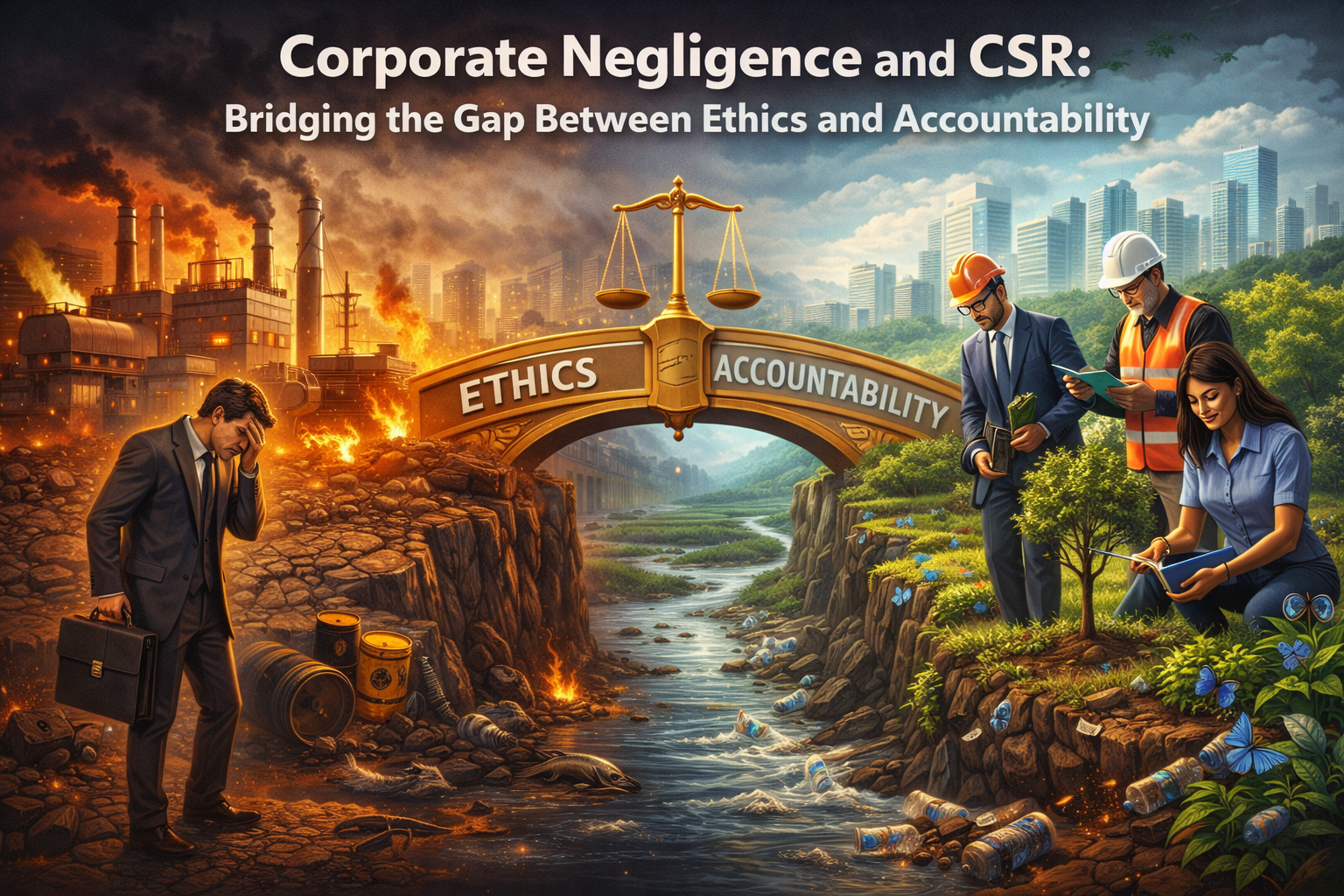
The fashion industry has long been celebrated for its creativity, innovation, and cultural influence, yet it is simultaneously criticized for its environmental and social consequences. Rapid production cycles, resource-intensive manufacturing, and globalized supply chains have contributed to significant environmental degradation, including water pollution, carbon emissions, and textile waste. In parallel, labor exploitation, unsafe working conditions, and unfair wages in many manufacturing hubs have raised urgent ethical concerns. These challenges have led to the emergence of sustainability and ethical fashion as critical considerations not only for corporate social responsibility but also for legal compliance. Fashion law and luxury law now intersect with environmental, labor, and consumer protection regulations to ensure that brands operate responsibly and transparently.
Environmental law is central to the legal framework for sustainable fashion. Regulations such as the European Union’s Eco-Design Directive and the EU Textile Regulation require manufacturers to reduce the use of harmful substances, improve resource efficiency, and report on the environmental impact of their production processes. Similarly, the California Transparency in Supply Chains Act obligates companies to disclose sourcing practices and sustainability initiatives, indirectly encouraging environmentally responsible operations. These legal mechanisms incentivize brands to adopt eco-friendly materials, recycling programs, and circular production systems, which help minimize environmental harm while promoting compliance with regulatory standards.
Consumer protection laws play an equally important role by addressing misleading sustainability claims, commonly referred to as greenwashing. High-profile cases involving brands such as H&M and Zara have highlighted the legal and reputational risks associated with unsubstantiated environmental statements. Regulators increasingly require verifiable evidence to support sustainability claims, and violations can result in litigation, fines, and reputational damage. By enforcing transparency and accountability in marketing, legal oversight ensures that consumers can make informed choices and that brands are held responsible for genuine environmental commitments.
Labor laws are equally critical in shaping ethical fashion practices. The Rana Plaza factory collapse in 2013, which claimed over 1,100 lives in Bangladesh, underscored the consequences of inadequate workplace safety and labor oversight. In response, national labor statutes and international frameworks such as the International Labour Organization’s Core Labor Standards have reinforced corporate accountability, requiring brands to ensure safe working conditions, fair wages, and compliance throughout their supply chains. Ethical fashion is therefore inseparable from legal obligations, as brands are expected to actively monitor suppliers and implement due diligence processes to uphold labor standards.
Despite the existence of these legal frameworks, enforcement challenges persist. Globalized supply chains often span multiple jurisdictions with varying regulatory rigor, making compliance monitoring difficult. Additionally, standardized metrics for sustainability are limited, complicating verification. Technological solutions such as blockchain and digital tracking systems are increasingly being adopted to enhance transparency and ensure adherence to environmental and labor standards.
Case Law Discussion
Case law has played a pivotal role in shaping accountability and legal standards for sustainability and ethical practices in the fashion industry. A prominent example is the scrutiny faced by H&M and Zara, where regulators and consumer advocacy groups questioned the authenticity of their sustainability claims. Allegations of greenwashing—misrepresenting products as environmentally friendly—highlight the legal and reputational risks brands face when sustainability statements are misleading. Courts and regulatory authorities have increasingly emphasized that such claims must be verifiable and substantiated, enforcing transparency in reporting and marketing practices.
Another landmark instance is the Rana Plaza factory collapse, where over 1,100 garment workers died due to unsafe working conditions. Subsequent litigation and international pressure prompted legal reforms emphasizing corporate accountability, workplace safety, and ethical supply chains. Brands sourcing from high-risk regions are now under greater obligation to ensure labor rights and safety standards are met, reflecting the intersection of labor law, corporate responsibility, and ethical fashion practices.
These cases collectively demonstrate that legal oversight—through consumer protection, labor law, and environmental regulations—is critical in promoting sustainable and ethical practices. They underscore the importance of proactive compliance, supply chain monitoring, and transparency for fashion and luxury brands in a globalized market.
Critical Analysis and Findings
The integration of sustainability and ethical practices into the fashion industry represents a critical shift in both corporate responsibility and legal oversight. While the principles of sustainable and ethical fashion have gained widespread recognition, their practical implementation remains inconsistent and complex. One of the key challenges lies in the global and fragmented nature of fashion supply chains. Many high-end and fast-fashion brands rely on manufacturing hubs in developing countries, where labor costs are low but enforcement of labor and environmental regulations may be weak. This disparity often results in continued labor exploitation, unsafe working conditions, and environmental harm, despite corporate sustainability commitments.
From a legal perspective, regulatory frameworks have evolved to address these issues, but enforcement remains uneven. Laws relating to environmental protection, supply chain transparency, and fair labor practices aim to hold companies accountable for their impact. Additionally, consumer protection regulations targeting misleading sustainability claims, or greenwashing, are increasingly being applied to ensure transparency in marketing. Case law demonstrates the potential of legal mechanisms to effect change. For example, scrutiny of brands like H&M and Zara regarding greenwashing claims has highlighted the necessity for verifiable sustainability reporting, while the Rana Plaza disaster emphasized corporate accountability in labor conditions. These cases illustrate the growing expectation that fashion brands must not only comply with legal standards but actively monitor and reform their supply chains.
Despite these developments, challenges remain. Fast fashion’s rapid production cycles and cost pressures often conflict with the slower, resource-conscious approaches required for sustainability. Moreover, the absence of a standardized global framework for measuring sustainability and ethical compliance makes benchmarking and enforcement difficult. Greenwashing continues to be a pervasive problem, as brands may exaggerate or misrepresent environmental efforts to appeal to conscious consumers without implementing substantive changes.
The findings indicate that progress in sustainability and ethical fashion requires a multifaceted approach. Stronger, globally harmonized legal frameworks, combined with corporate commitment to transparency and ethical practices, are essential. Furthermore, informed consumers play a critical role in driving demand for sustainable and ethical products. Technology, such as blockchain for supply chain transparency and circular production models, can support these efforts by verifying compliance and reducing environmental impact. Ultimately, the convergence of legal accountability, corporate responsibility, and consumer advocacy is crucial for transforming the fashion industry into a more sustainable and ethical sector.
Conclusion
Sustainability and ethical fashion represent a critical evolution in the global fashion industry, reflecting the growing recognition that environmental responsibility and social accountability are essential for long-term viability. The traditional fast fashion model, characterized by rapid production, low-cost labor, and high waste generation, has proven environmentally unsustainable and socially problematic. In response, sustainable fashion promotes the use of eco-friendly materials, waste reduction, and circular production practices, while ethical fashion emphasizes fair labor practices, safe working conditions, and transparency throughout supply chains.
Legally, the integration of sustainability and ethics into fashion operations is increasingly mandated by environmental, labor, and consumer protection laws. Regulations addressing supply chain transparency, workplace safety, and misleading sustainability claims compel brands to adopt responsible practices and provide verifiable information to consumers. Landmark events such as the Rana Plaza factory collapse and regulatory actions against greenwashing illustrate the importance of legal accountability in ensuring ethical operations.
The future of fashion depends on a multifaceted approach that combines robust legal frameworks, corporate responsibility, technological solutions, and informed consumer engagement. By embracing sustainability and ethical principles, fashion and luxury brands can mitigate environmental harm, protect workers’ rights, and strengthen brand credibility. Ultimately, embedding these principles within industry practice is not only a legal and moral imperative but also a strategic necessity for fostering a resilient, responsible, and socially conscious fashion industry.
Reference(S) and Bibliography
Fletcher, K. Sustainable Fashion and Textiles: Design Journeys. Routledge, 2014.
Gwilt, A., & Rissanen, T. Shaping Sustainable Fashion: Changing the Way We Make and Use Clothes. Routledge, 2011.
Joy, A., Sherry, J.F., Venkatesh, A., Wang, J., & Chan, R. “Fast Fashion, Sustainability, and the Ethical Appeal of Luxury Brands.” Fashion Theory, 2012.
European Commission. Eco-Design Directive and Textile Regulations, 2020.
California Transparency in Supply Chains Act, 2010.
International Labour Organization (ILO). Core Labour Standards, 1998.
H&M Group Sustainability Reports, 2021–2023.
Inditex Annual Report and Sustainability Report, 2021–2023.
Kozlowski, A., Bardecki, M., & Searcy, C. “Environmental Impacts in the Fashion Industry: Sustainability Challenges.” Journal of Cleaner Production, 2015.
Caniato, F., Caridi, M., Crippa, L., & Moretto, A. “Environmental Sustainability in Fashion Supply Chains: An Exploratory Case Study.” International Journal of Production Economics, 2012.
![Salomon v Salomon & Co Ltd. [1897] AC 22 (HL)](https://recordoflaw.in/wp-content/uploads/2025/12/ChatGPT-Image-Dec-17-2025-08_24_07-PM.png)