Authored By: Sobia Neelofar
University of Kashmir, Kashmir Law College
Abstract
When we talk about matrimonial cases in Jammu and Kashmir ,it reflect a balance between a personal law and the constitutional values that are present in gender justice .When we come across a religious composition it forms a very unique tie in social legal history that reveals the traditional influence and modern legal influence over the society and this topic primarily analyzes the statutory framework which properly governs the matrimonial relationships in Kashmir .Further the judicial marks made in Jammu and Kashmir High Court which highlight the challenges that are being faced during those cases it includes gender based inequalities and the misuse conduct of legal provisions .This paper concludes how to reform and put emphasis on the needs for more and more equitable family justice system in the state
Introduction
The concept of marriage is a very sacred form of the foundation that leads to a family life and social stability. However ,the breakdown in a relationship often leads to a dispute which concern in Divorce ,Maintenance ,Custody of a Child ,Domestic Violence against Women or Men in Kashmir .Mostly,matrimonial cases represent a portion of cases before the family court and the Jammu and Kashmir High Court which put emphasis on the cases. Thus, the personal laws applicable to Hindus ,Muslims and other communities which together combines into a regional customs and thus makes a legal framework in Kashmir district. The transformation in Jammu and Kashmir constitutional status from 2019 has evolved it’s judicial interpretation as it has reshaped the justice system in the region, Due to transformation of state into the Union Territory. This Legal Article explores that how does developments and accesses have effectively put emphasis on the legal system to address the matrimonial conflicts while safeguarding the rights and rights of individual and the dignity of individual .
Legal and statutory Framework.
When ,we come across legal and statutory framework ,the matrimonial cases in Kashmir are governed by both, but –•Muslim laws •Hindu laws •Secular and Procedural laws – which together forms personal law and secular statues.
Muslim laws
for the Muslim majority matters of Marriage ,Divorce or Any sort of Maintenance is primarily governed by the Muslim personal law that is Sharia application act 1937- the second part is the Dissolution of Muslim Marriage, 1939 the Jammu and Kashmir Muslim Marriage Registration Act 1981- which put emphasis on the Registration of Marriage and preserved the nikah naama or further use under Muslim law or Islamic law are nikah is a contract and divorce may be initiated by husband only which is called talaq while as the wife can do khula or through just judicial decree. Moreover ,the Muslim women, the Right of Muslim women Act ,2019 which has been criminalized instant triple talaq that is talaq e biddat bringing uniformity in the country.
Hindu law.
Hindu law, the only act that Hindu Marriage Act 1955 which primarily governs Marriage, Divorce, the judicial Separation or Maintenance .
Secular and Procedural laws
while we come across secular or procedural laws it includes:
1) Section 125 of code of criminal procedure –
2) Protection of women from domestic violence Act ,2005
3) Special Marriage Act ,1954
4) Posh act ,2013 -has put a protection mark for the sexual harassment at women at workplace, relevantly in matrimonial dispute that are connected to workplace harassment.
Judicial trends and Notable cases
The JK high court played a very important role in going through matrimonial disputes through different judgment which has put cases into fairness, dignity and in a very good faith position ,when we come across different cases.
1)Maintenance Rights and Proof of Divorce
Mohammad altaf vs State of Jammu and Kashmir
Which was recently held in 2024.
the High Court of Jammu and Kashmir has held that husband cannot deny the maintenance of a wife merely claiming the factum of divorce is legally proved unless and until the facts of divorce is legally proved .the court stated that maintenance is a moral and legal duty until the marriage is dissolved which is established in the court of law .
2) Triple talaq and Electronic Communication
State of Jammu and Kashmir vs Irfan Ahmad
Which was held in 2023
the court has refused to squash the FIR filed against the man who has pronounced a triple talaq during a text message which ruled that instant pronouncement of talaq was not valid and as a person cannot be ready from that side and a person cannot be punishable,that was enforced in 2019 central legislation.
Issues and Challenges
Despite progress ,several challenges are faced in matrimonial disputes.
1)Delays and court pendency –family court often faces case loads, that lead to delays in maintenance and judicial proceedings.
2)misuse of provision.
3)marriage or divorce proof-does the lack of marriage- registration or verbal divorce affects the adjudication process
4) Lack of awareness- woman’s are unaware of their rights ,under laws of domestic violence act or Posh Act .
5) Jurisdictional Barriers -Interstate or intermarriages often lead a procedural hurdle especially when one person resides from other part of state or country.
6) Cultural sensitivity-
the social stigma and patriarchial society discourages women for filing cases or perceiving any remedies from the court
Role of Alternative Dispute Resolution.
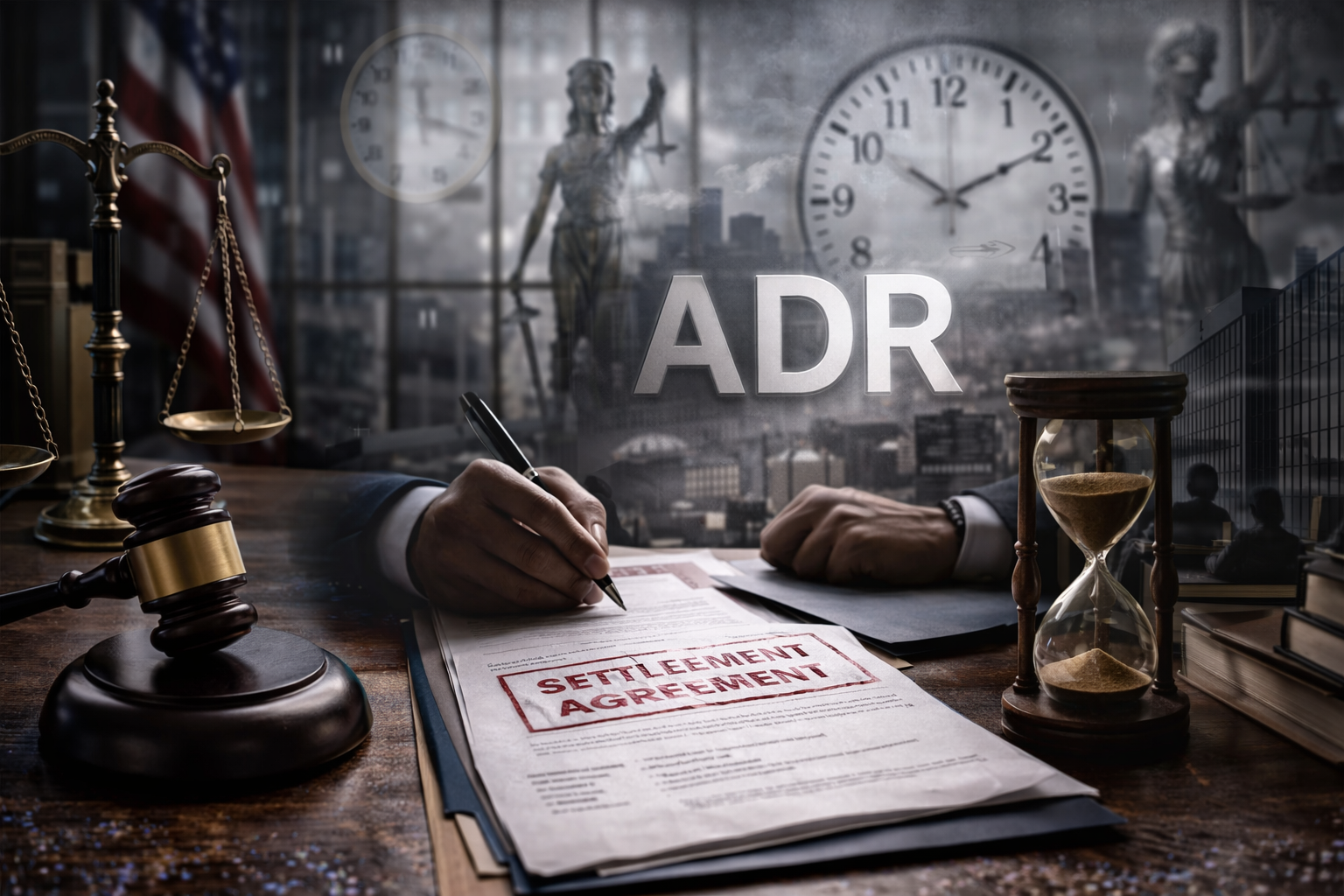
The lok Adalat and Mediation Centers have contributed in reducing the matrimonial disputes . Family courts in Srinagar -Anantang – baramulla that are totally related to family disputes ,are frequently referred for the dispute for resolution. There are trained counselors, who are assisting the parties to handle up for the settlements.
Jammu and Kashmir legal service authority has reported that matrimonial and maintenance cases are taken through log adalats and it has put effectiveness in looking into the matters of family disputes and had worked very properly.
Reforms and Recommendations
To strengthen the matrimonial issues in Kashmir we can recommend the following measures :
- Gender Sensitization -A lawyer or a Mediator should undergo gender sensitivity so that he or she can be able to handle the case with neutrality.
- Legal Awareness Campaigns -Education programs particularly for women, must be aware of legal remedies available for both personal or secular laws .
- Uniform Family Courts -Expansion of those courts ,across the districts help in timely reviews of the cases .
- The Marriage Registration Enforcement of 1981 ,The Registration Act ,it must be strengthened so that no disputes arise in marriage .
Conclusion
The matrimonial cases has faced a larger struggle in Indian society ,so that to harmonize both personal laws with constitutional ideals of equality justice and dignity. The High Court of Jammu and Kashmir has addressed the issues of Maintenance, Domestic Violence and Divorce- within the frameworks of rights of human thus a human right .The challenges, they have faced from the misuse or lack of awareness continues to hinder the effectiveness, empowering family courts had has put gender neutral enforcement of laws ,A Social Awareness Program. Marriage is not merely a contract but a partnership on the basis of mutual respect and equality which strengthened the mediation and making justice more equal accessible that assures the matrimonial litigation serve it’s true process that is protection of human rights ,fairness ,or dignity of both Men and Women in Society
Reference
1.Mohammad Altaf v.State of JK ,2024
(High Court of JK
2.State v Irfan Ahmad,2023
(High Court of JK)
3) JK Muslim Marriage Registration Act ,1981
4) The Muslim Women Act, 2019
5) The Hindu Marriage Act ,1954
6) POSH ACT,2013
7) Protection of Women from Domestic Violence ,2005
8) Bar and bench, Livelaw ,Jammu Kashmir legal Service Authority Report ( 2023-2024)