Authored By: SANJANA GHOSH
SAGE UNIVERSITY BHOPAL
Abstract
The question of whether marital rape should be criminalized remains one of the most debated issues in Indian criminal law. While rape is recognized as a serious offense under Section 375 of the Indian Penal Code, the statute contains a controversial exception that excludes sexual intercourse by a husband with his wife from the definition of rape if the wife is above eighteen years of age. This exception has been widely criticized for undermining the principles of equality, dignity, and bodily autonomy guaranteed under the Constitution of India. The article examines the legal framework governing marital rape in India and evaluates constitutional arguments against the marital rape exception while also considering international legal developments.
Introduction
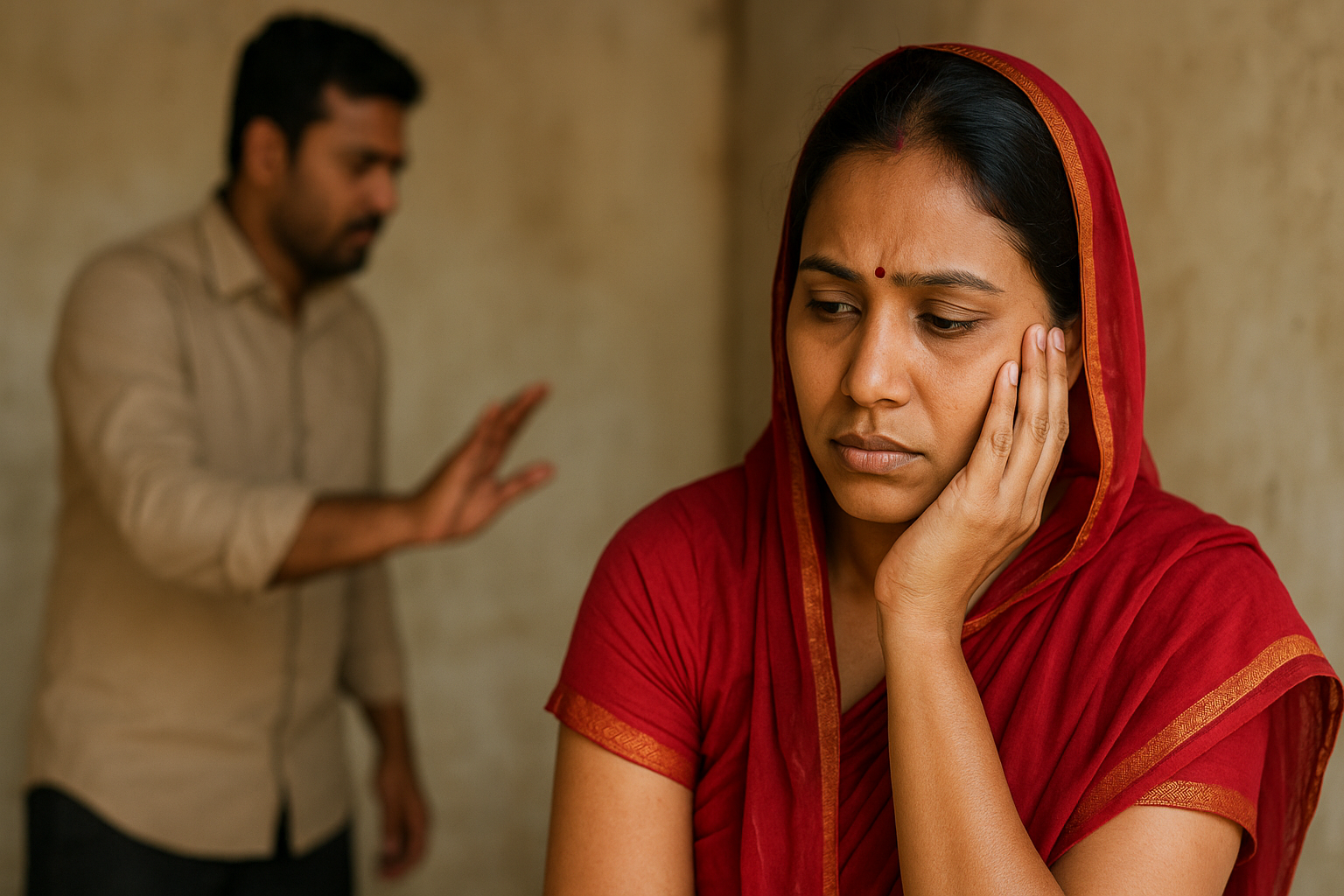
Marriage has long been perceived as a social and legal institution built upon mutual trust and companionship. However, the legal treatment of marital rape reveals the tension between traditional assumptions and modern principles of equality and autonomy. Marital rape refers to non‑consensual sexual intercourse by a husband with his wife. Under Indian law, rape is defined in Section 375 of the Indian Penal Code, but the provision includes an exception that excludes sexual intercourse by a husband with his wife if she is above eighteen years of age. This exception has generated intense legal debate in India.
Historical Origins of the Marital Rape Exception
The marital rape exception originates from English common law, where it was argued that by marrying a man, a woman gave permanent consent to sexual relations. This doctrine reflected a patriarchal legal system where married women had limited autonomy. Over time, legal scholars and feminist movements challenged this doctrine, emphasizing that consent must exist in every sexual act regardless of marital status.
Legal Framework in India
Section 375 of the Indian Penal Code defines rape but includes an exception protecting husbands from prosecution for marital rape. Although some remedies exist under laws such as the Protection of Women from Domestic Violence Act 2005 and Section 498A of the IPC, these provisions do not explicitly criminalize marital rape, leaving married women with limited legal protection.
Judicial Developments
Indian courts have addressed aspects of the issue in several cases. In Independent Thought v Union of India (2017), the Supreme Court held that sexual intercourse with a wife between the ages of fifteen and eighteen constitutes rape. The judgment recognized that child marriage cannot justify sexual exploitation. The Delhi High Court has also examined the constitutionality of the marital rape exception, delivering a split verdict in 2022.
Constitutional Perspective
The marital rape exception raises serious constitutional concerns. Article 14 guarantees equality before the law, while Article 21 protects the right to life and personal liberty, which includes dignity and bodily autonomy. Denying married women protection against rape arguably violates these constitutional guarantees.
Comparative Perspective
Many countries including the United Kingdom, Canada, and Australia have criminalized marital rape. The landmark case of R v R in 1991 rejected the doctrine that marriage implies permanent consent. These developments demonstrate the growing recognition of marital rape as a violation of human rights.
Conclusion
The marital rape exception reflects outdated assumptions about marriage and consent. Recognizing marital rape as a criminal offense would align Indian law with constitutional values of equality and dignity while reinforcing the principle that consent is essential in all relationships.