Authored By: HARINI GOVINDASAMY
GOVERNMENT LAW COLLEGE, THENI
INTRODUCTION:
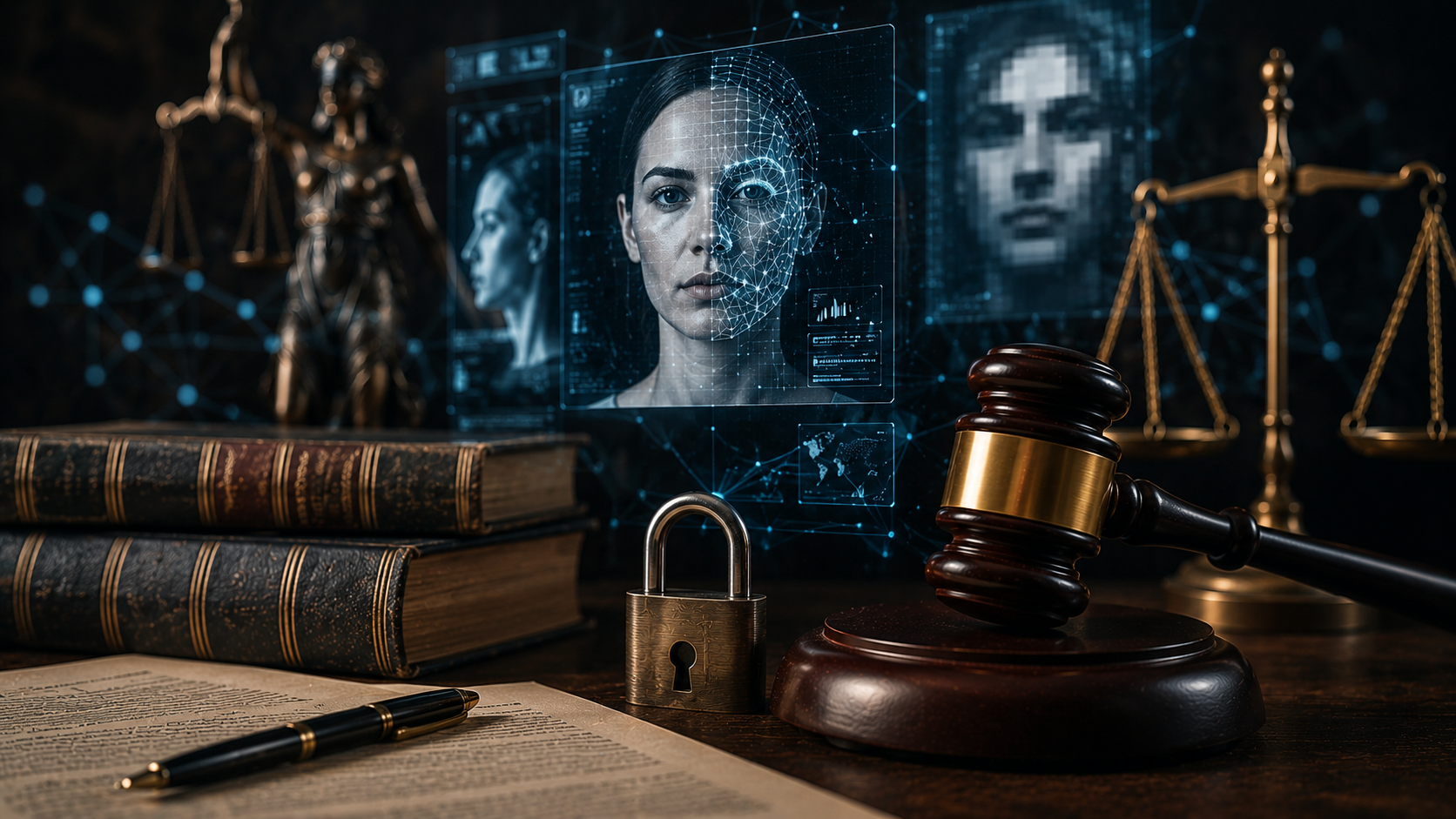
Artificial Intelligence (AI) is increasingly reshaping creative industries, producing content that rivals human creativity. From AI-generated music and digital art to automated journalism and software development, AI systems can create original works with minimal human intervention. This rapid advancement raises critical legal and ethical concerns regarding authorship and ownership. Traditional copyright laws are designed to protect human creators, yet the emergence of AI-generated works challenges the fundamental principles of intellectual property (IP) rights.
Intellectual property laws play a crucial role in fostering innovation by granting creators exclusive rights over their works. These laws provide economic incentives for creative efforts while ensuring that original content is safeguarded against unauthorized use. However, with AI’s growing role in creative domains, the legal framework governing authorship is being tested. The central research question of this paper is: Can AI hold copyright, or should such works remain unprotected under existing laws?
As AI continues to transform creative industries, addressing the legal ambiguities surrounding AI-generated content is imperative. This paper contributes to the ongoing discourse on AI and copyright by identifying key challenges, legal gaps, and potential solutions within existing IP laws.
LEGAL FRAMEWORK:
The legal recognition of AI-generated works within the existing intellectual property (IP) regime remains a complex and evolving issue. Traditional copyright laws are designed to protect human authorship, requiring an element of creativity and originality attributable to a human creator. However, the increasing role of AI in content creation challenges these legal foundations, necessitating an assessment of whether current laws can accommodate machine-generated works or if new regulatory frameworks are required.
One of the fundamental principles in copyright law is originality, which varies across jurisdictions. In the United States, the Copyright Office has maintained that only works created by humans qualify for copyright protection, as demonstrated in recent cases where AI-generated works were denied copyright registration. Similarly, the European Union’s copyright framework, particularly under the InfoSoc Directive, reinforces the necessity of human authorship. The EU’s Copyright Directive (2019) also does not explicitly address AI-generated works, leaving uncertainty about their legal standing. India, on the other hand, lacks explicit provisions for AI-generated works in its Copyright Act of 1957, though interpretations vary on whether AI-assisted works could be attributed to human authorship. These jurisdictional differences highlight the broader challenge of integrating AI within existing copyright frameworks.
A central debate in legal literature concerns ownership models for AI-generated works. Scholars have proposed multiple approaches: (1) attributing copyright to the AI system itself, (2) granting rights to the programmer or entity controlling the AI, or (3) creating a new sui generis protection system. While some legal frameworks, such as the UK Copyright, Designs and Patents Act 1988, allow copyright for computer-generated works with authorship assigned to the “person making the necessary arrangements,” most jurisdictions lack clarity on whether AI-generated works qualify under existing statutes. This lack of uniformity complicates enforcement and cross-border copyright protection.
Another critical issue is the economic and ethical implications of AI-generated works concerning copyright ownership. Granting copyright to AI-generated works could incentivize technological advancements, but it may also lead to market monopolization by corporations controlling AI systems. Additionally, concerns about plagiarism, infringement, and liability arise when AI-generated works unintentionally replicate existing content. Current legal doctrines on infringement assume human intent, making it unclear how AI’s role in potential copyright violations should be assessed. This gap suggests an urgent need for legislative updates to define liability when AI systems autonomously generate infringing content.
Internationally, organizations such as the World Intellectual Property Organization (WIPO) and the United Nations Educational, Scientific and Cultural Organization (UNESCO) are engaging in discussions about AI and copyright. The Berne Convention and the TRIPS Agreement establish minimum standards for copyright protection but do not explicitly account for AI-generated works. Some scholars argue that a global framework for AI and copyright is necessary to ensure consistency in how AI-created works are treated worldwide.
The evolving landscape of AI and copyright law underscores the necessity for legal reform. Possible approaches include (1) revising existing copyright laws to explicitly address AI-generated works, (2) introducing a sui generis rights system that provides AI-generated content with limited protection, or (3) adopting a licensing-based model where AI-generated works enter the public domain unless specifically assigned rights by a human creator. Regardless of the approach, legal frameworks must balance innovation, economic interests, and ethical considerations while ensuring that AI’s role in creative industries is regulated fairly and transparently.
CASE LAW ANALYSIS: AI-GENERATED WORKS AND COPYRIGHT PROTECTION:
The rapid advancement of artificial intelligence (AI) in creative processes has prompted significant legal discourse regarding the copyrightability of AI-generated works. Two pivotal cases—Théâtre D’opéra Spatial and Naruto v. Slater—offer valuable insights into how courts and regulatory bodies address the intersection of AI, creativity, and authorship.
- Théâtre D’opéra Spatial: AI-Generated Art and Human Authorship
In 2022, artist Jason M. Allen utilized the AI platform Midjourney to create the digital artwork titled Théâtre D’opéra Spatial. The piece garnered attention after winning the digital art category at the Colorado State Fair’s annual fine art competition, marking a significant milestone as one of the first AI-generated artworks to receive such recognition.
Following this achievement, Allen sought copyright registration for the artwork. However, the U.S. Copyright Office denied the application, emphasizing that copyright protection requires human authorship—a criterion not met by the AI-generated portions of the work. The Office’s decision underscored that while Allen made creative contributions through prompt engineering and post-processing, the AI’s role in generating the image was substantial enough to preclude copyright eligibility.
This case highlights the current legal stance that purely AI-generated works, without significant human modification, do not qualify for copyright protection under U.S. law. The decision reflects a broader policy to ensure that copyright incentivizes human creativity and labor.
- Naruto v. Slater: Non-Human Creators and Copyright Claims
The 2011 “Monkey Selfie” incident involved a crested macaque named Naruto, who captured photographs using a camera set up by photographer David Slater. The images gained international attention, leading to a legal battle when the People for the Ethical Treatment of Animals (PETA) filed a lawsuit on Naruto’s behalf, asserting that the monkey held the copyright to the photographs.
The U.S. Court of Appeals for the Ninth Circuit ultimately dismissed the case, ruling that animals lack legal standing to hold copyright under the Copyright Act. The court concluded that copyright protection is exclusively available to human authors, thereby rejecting the notion that non-human entities can claim such rights.
This ruling reinforces the principle that copyright law is designed to protect human intellectual endeavors, excluding works created independently by animals or other non-human agents.
Both cases underscore a fundamental tenet in copyright law: the necessity of human authorship. In the context of AI-generated works, this principle presents challenges, as AI systems can produce content with minimal human intervention. The current legal framework does not recognize AI as an author, and works lacking substantial human creative input are ineligible for copyright protection.
The Théâtre D’opéra Spatial case, in particular, illustrates the complexities arising from collaborations between humans and AI. While Allen’s involvement in crafting prompts and editing the AI-generated image demonstrated some level of human creativity, the predominant role of the AI in producing the final artwork led to the denial of copyright. This outcome suggests that for AI-assisted works to qualify for copyright, human contributors must exercise significant creative control over the content.
The legal landscape surrounding AI-generated works is still evolving. Current jurisprudence emphasizes human authorship as a prerequisite for copyright protection, leaving AI-generated content without substantial human input outside the scope of existing copyright laws. As AI continues to advance and its role in creative processes expands, legal systems worldwide may need to adapt to address the unique challenges posed by machine-generated works.
CONCLUSION:
The rise of artificial intelligence (AI) has introduced complex legal and ethical challenges, particularly concerning copyright and intellectual property rights. Traditional copyright laws are designed for human creativity, but AI-generated works blur the boundaries between human and machine authorship. This uncertainty raises critical questions about whether AI can be considered an author or if ownership should belong to developers, users, or organizations utilizing AI. Without clear legal regulations, businesses and creators may face difficulties asserting their rights over AI-generated content, potentially stifling innovation. Additionally, AI systems can pose risks related to transparency, accountability, and fairness, as their decision-making processes often lack clarity, leading to biases and ethical concerns. Ensuring that AI-generated outputs are explainable and traceable is vital to preventing misinformation, privacy violations, and discriminatory practices.
The global legal landscape remains fragmented in addressing AI’s role in copyright law, with different jurisdictions adopting varied regulatory approaches. While some regions, such as the European Union, are engaging in discussions on AI-related regulations, a universally accepted framework is still lacking. This inconsistency may create enforcement challenges in protecting AI-generated intellectual property rights across borders. As AI continues to evolve, policymakers, legal scholars, and technology developers must work toward a structured legal framework that balances innovation with ethical governance. A proactive approach is necessary to address authorship concerns, promote transparency, and establish harmonized regulations that ensure responsible AI use while fostering creativity and technological advancement.