Authored By: Vijaya Lakshmi Chagam
Pendekanti Law College, Hyderabad
Introduction:
Understanding Divorce in India Divorce in India is more than just a legal phenomenon—it casts a ripple effect upon families, extendedfamily members, communities, and society at large. While its form is comforting legally, emotionallyit unwinds relations, habits, and presumed social identity. Particularly in Indian culture, the repercussionscut across to husbands, wives, children of all ages, from infants to adolescents to married grown-upchildren, and even in-laws, next-door neighbors, and partners. Law students need to consider divorceasnot just jurisprudence but conflict resolution among human beings, keeping legal precision but withhuman insight.
Legal Definition of Divorce
Divorce, in legal terms, is the termination of a valid marriage by an eligible court, dissolving rights andduties created by the state of matrimony. When the decree absolute–ordinarily after the time for appeal expires–the parties are released to remarry.
Who Can Get a Divorce in India?
Either husband or wife can approach for divorce, under their respective personal law. Petitioners must satisfy jurisdictional requisites based on place of marriage, last shared home, or domicile of the respondent.
Mutual Consent Divorce vs. Contested
Mutual Consent Divorce: Spouses give mutual consent to separation without resorting to fault pleadings. This is under Section 13B (HMA) or Section 28 (SMA).
Contested Divorce
One of the spouses files unilaterally on grounds such as cruelty, adultery, or desertion.
Laws Relating to Divorce in India
Main enactments include Hindu Marriage Act, Muslim Personal Law (Shariat) Application Act, IndianDivorce Act (for Christians), Parsi Marriage and Divorce Act, and Special Marriage Act. Maintenanceindivorce cases is generally sought under Section 125 of CrPC.
Grounds for Divorce Under Indian Laws
Discovered reasons under laws are adultery, cruelty, desertion for two years or more, conversion, mental illness, virulent disease, renunciation, 7+ years’ presumption of death, and non-reumptionof cohabitation after decree of maintenance.
Step-by-Step Procedure to Get Divorce in India
- Consult a family law attorney
- Draft petition (mutual or contested)
- File petition in concerned jurisdiction
- Court issues summons to respondent
- Parties appear; mediation or counseling may be ordered
- Evidence stage and oral hearing (in contested cases)
- Closing arguments
- Court passes decree; window for appeal opens
How to File Divorce Online in India?
Divorce petitions can be filed by parties through efiling.ecourts.gov.in. They register online, uploadaffidavit, marriage certificate, and evidence, pay online fees, and receive court notices via email. Virtual hearings are permissible in the majority of courts.
Where to File for Divorce? (Jurisdiction Explained)
Courts of the last matrimonial residence district, in which either or both spouses are at present dwelling, have jurisdiction. NRI and cross-border spouses require step-service or notification via the embassy, again affecting jurisdiction.
Documents Required for Divorce Petition
Marriage certificate, identification proof and address, photographs, evidence in support of grounds (expert reports, messages, affidavits), statement of income, property documents, and in cases that arecontested, witness statements and expert affidavits.
Divorce Under Hindu Marriage Act
Statutory sections 13 (contested) and 13B (consensual) govern Hindu divorce. Rights to maintenance(Sections 24, 25), custody, Streedhan, and property are statutory. Courts balance statutory rights against maxims like jus cogens matrimonii (marriage as sacred duty).
Divorce Under Muslim Law
Talaq (unilateral husband’s), Khula (wife’s), Mubarat (mutual), and Faskh (judicial annulment) are forms. They are interpreted by courts on the basis of constitutional values, especially where fairness or exploitation is in question.
Divorce Under Christian & Parsi Law Christian divorce falls under Indian Divorce Act, 1869; Parsis under Parsi Marriage and Divorce Act, 1936. The causes are akin to other systems—adultery, cruelty, desertion, abuse—and Parsis have special matrimonial courts.
Divorce Under Special Marriage Act
SMA allows civil inter-faith marriages. Sections 27 (contested) and 28 (mutual consent) followHMA. Thelegislation is secular and universal, giving jurisdictional portability.
Timeline: How Long Does Divorce Take?
Mutual Consent: around 6–18 months; powers of the Supreme Court under Article 142 nowalsoallowwaiver of the obligatory six‑month cooling period.
Contested: typically takes 2–5 years depending on complexity, backlog, and appeals.
How much does it cost to obtain a Divorce in India? There are very low court fees (₹100–₹500), but attorneys’ costs are highly fluctuating—₹10,000 inamiable mutual consent to ₹2 lakh or more for adversarial contested litigation involving property, custody, and appeal charges.
Can Divorce Be Filed Without Mutual Consent?
Yes. Contested divorce—on legally provable grounds—permits one spouse to file dissolution unilaterally, without consent of the other.
How to Get Divorce from Wife in India (By Husband) The husband has to file a petition based on applicable personal law, supported by evidence of cruelty, adultery, desertion, or conversion. Courts place importance upon credibility, corroborative evidence, and effort at reconciliation.
How to Obtain Divorce from Husband in India (By Wife) A wife may file incompatible grounds under HMA, SMA, or personal laws. Muslim women can approachfor Khula or Faskh. She will be required to establish facts convincingly and also claimmaintenance, custody, and rights in property.
Rights of a Woman in Divorce in India
Women are entitled to maintenance—even wives who do not live together—under Section 125 CrPC(Supreme Court reaffirmed this in Jan 2025). They independently have Streedhan, custody of minor children, equal sharing in property and right to residence under PWDV Act.
Rights of a Man in Divorce in India
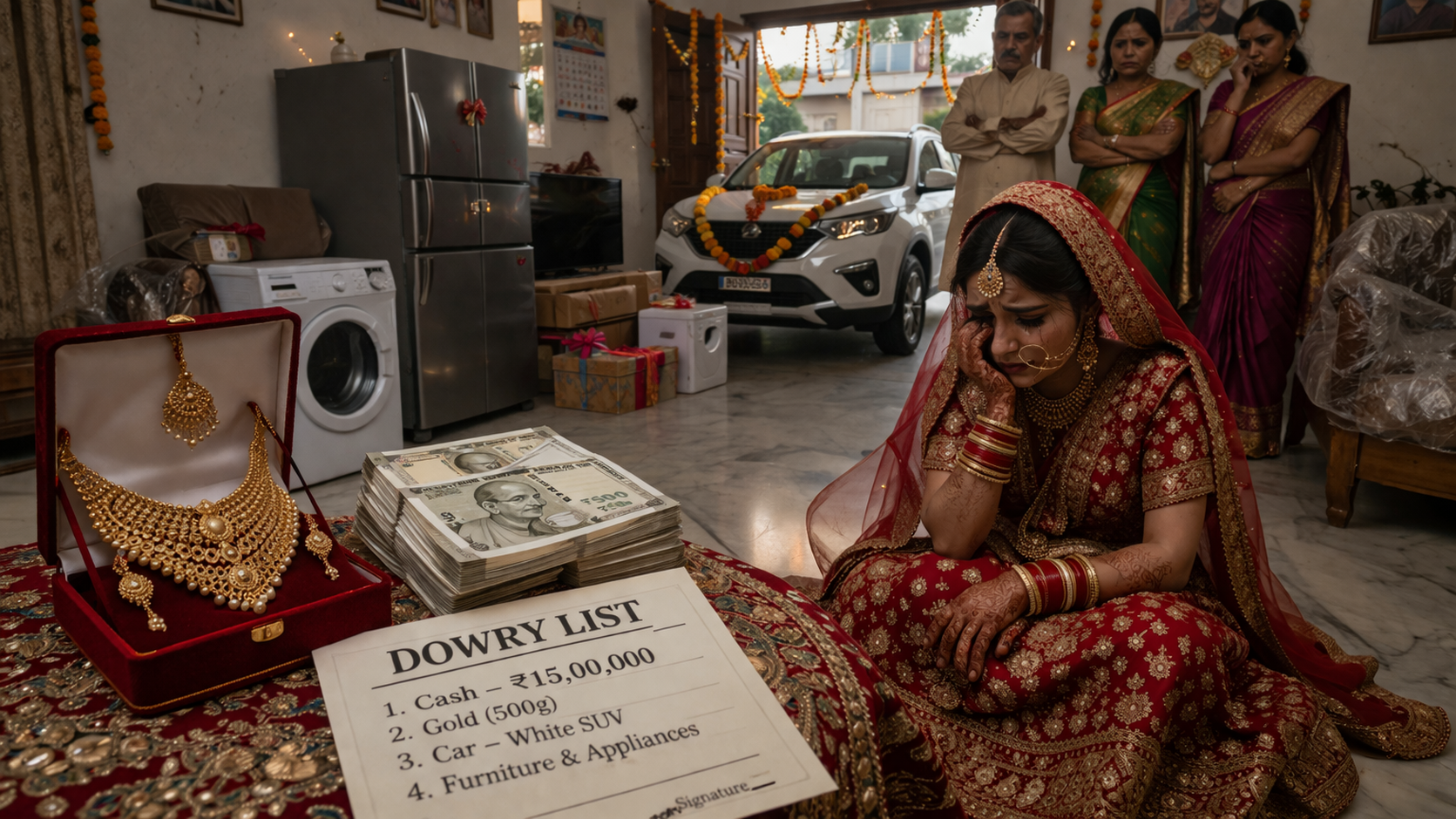
Men have rights to safeguard themselves against false allegations, claim custody or access, obtainmaintenance in the event of incapacitation or disability, and safeguard against abuse of dowry provisions (e.g. 498A IPC). Courts can also award maintenance to husbands under certain situations.
What is Ex-Parte Divorce?
When respondent fails to appear even after summons, courts may proceed ex‑parte. They are required, however, to grant due process and fair hearing before issuing divorce.
What if One Spouse Fails to Appear in Court?
Ex-parte proceedings may be initiated. Subsequently, under Order IX of CPC, an absent spouse canmovean application to set aside the decree within time, on grounds of reasonable cause.
What if One Spouse Refuses to Grant Divorce?
Mutual agreement requires both signatures; denial stops the process. In contested divorce, the respondent’s denial will not discourage the court from granting divorce if grounds are properly proved.
Child Custody After Divorce in India
Decided by the Guardians and Wards Act, 1890, custody is centered on the child’s welfare. The courts look into emotional stability, continuity of education, choice of the child (if mature), ability of parents, and psychological health.
Maintenance and Alimony Post Divorce
In 2024 (INSC 961), Supreme Court laid out eight flexible considerations for alimony: behavior; length; effort of wife at work; child care; dowry/settlements; delay in assertion of claim of maintenance; adjustment of life style; mutual waivers—putting stress on justice, not rigidity.
On 29 May 2025, SC ordered ₹50,000/month permanent alimony with increments of 5%every twoyearsand transfer of property to non-remarried wife, stressing adequacy of support rather than tokenism.
Other rulings confirm that non-cohabitation in the face of an order for conjugal rights does not automatically disqualify from maintenance.
Streedhan & Women’s Financial Rights
Streedhan continues to be the sole property of the woman. SC in Pratibha Rani held non-return of Streedhan as breach of trust. Decree of divorce must look after its preservation.
Can Men Claim Maintenance or Protection?
Yes. Men are entitled to claim maintenance when disabled or destitute under HMA or SMA. Courts grant claims even if they have dependants or meager income, provided there is capacity.
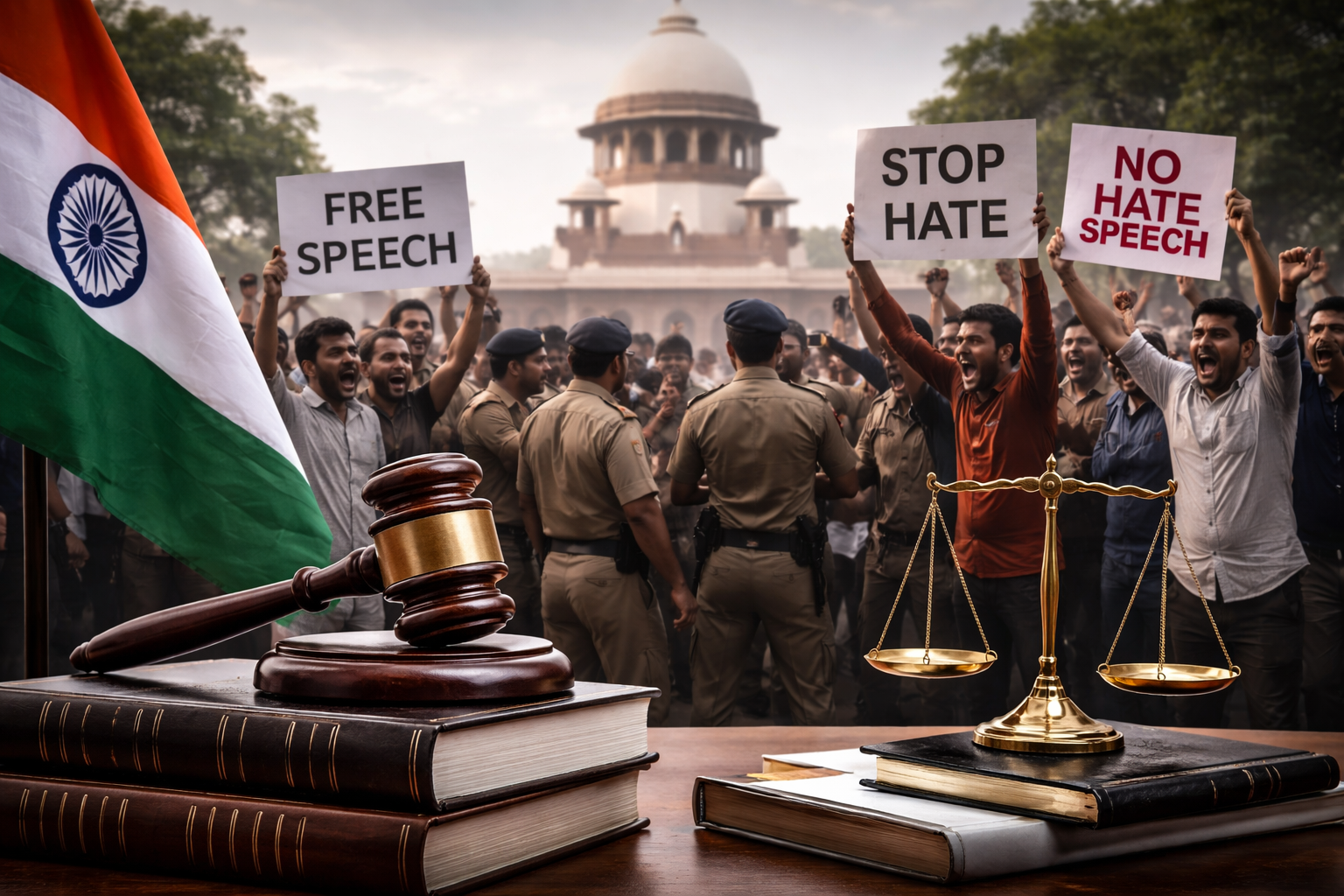
Men also go to courts for safeguards against false criminal allegations (abuse of 498A), with SC issuingwarnings against manipulative use of such legislations.
What Happens to Joint Property After Divorce?
Courts strive for equitable division of jointly acquired properties. Title papers, monetary inputs, andcommon enjoyment of properties while married are taken into account. Settlements are encouragedbut when in contest, courts invoke equitable jurisdiction to divide in a fair manner.
Can a Person Remarry After Divorce?
Yes, after finality of divorce order and lapse of appeal period (usually 90 days) without stay. Once legallyresolved, parties regain freedom to remarry.
What is Cooling-off Period in Mutual Divorce?
Six months as the period between motions is prescribed by Section 13B(2). However, SC under Article142 waived it where irretrievable breakdown is established in the interest of justice (Shilpa Saileshv. Varun and others).
How to Withdraw Divorce Petition (Mutual/Contested) Mutual consent petition withdrawal is permitted prior to the second motion. Contested petitions maybe withdrawn with leave of court before decree. Both involve making relevant applications and consent orders.
Divorce by NRI or Abroad-based Spouses
There is filing in Indian courts if the registration or domicile requirements of marriage are met. Section13 CPC regulates service abroad. Decrees of foreign divorces are within the purview of recognitionof Section 13 and can be moved on the grounds of fairness or fraud.
Legal Counsel Before Filing for Divorce
Consult lawyers of sound experience in family law. A lawyer examines grounds, jurisdiction, custodyrights, claims for maintenance, Streedhan, options for mediation, and prepares cogent pleadings, equilibrated strategies, and documents.
FAQs on Divorce in India – Practical Questions Answered Q: Can divorce be speed-tracked?
A: Yes, if mutual consent is possible and cooling-off is waived by SC under Article 142.
Q: Is online divorce valid?
A: Yes. E‑filing is received by most courts even today.
Q: Is a disabled husband eligible to claim maintenance?
A: Yes, if economically unsuitable, under CrPC 125 or personal law maintenance provisions.
Q: Does failure to cohabit with husband deny maintenance?
A: Not if the wife has justifiable cause; SC has imposed maintenance rights even after non-compliancewith conjugal rights decree.
Q: Is maintenance equal to spouse’s riches if they are rich?
A: SC has cautioned against equating alimony with spouse’s wealth; orders for maintenance are facts- based and not meant to lead to lavish enrichment.
Broader Social & Emotional Landscape
Divorce not only disrupts marital life but also the emotional foundations of extended family. In-laws become embarrassed; ageing parents feel helpless. Children—infants, teenagers, or married children—are subjected to profound emotional transformation: attachment insecurity, ambivalent loyalties, confusion, or even social ostracism. A divorced mother can face internal conflict within a traditional society; a father might face professional prejudice or isolation. Courts tend to weigh such social costs—custody resides within emotional stability, continuity of schooling, and access to both parents.
Even though women have robust legal rights, the judiciary strongly encourages independence in educated women: recently, an SC judgment disparaged a woman seeking ₹12 crore alimony and a BMWafter 18 months of marriage, advising her to earn for herself instead. Conversely, a financially incapablehusband, being disabled or unemployed, can claim maintenance to enable his fundamental right of dignified living.
Landmark Supreme Court Cases & Legal Maxims
Irretrievable Breakdown & Article 142: SC observed that where marriage has broken down irretrievably, justice demands divorce even if there is no cruelty or adultery, its plenary Article 142 jurisdictiontowaive the cooling-off period (Shilpa Sailesh, Rajib Kumar Roy). Legal maxim: Ubi jus ibi remedium–where there is a right, there must be a remedy.
Maintenance & Alimony Considerations (2024 INSC 961): Eight elastic factors (conduct, duration, effort in employment, child support, lifestyle, dowry settlements, delay in assertion, mutual waivers) makeupthe equitable matrix for maintenance—no ‘straitjacket formula’.
Permanent Alimony ₹50,000 Judgment (May 2025): SC drastically raised maintenance amounts inmeritorious cases, ordering ₹50,000/month with transfer of property and biennial increments, layingstress on need-based, reasonable maintenance rather than minimalism.
Maintenance Despite Non‑Cohabitation: In January 2025, SC upheld that refusal to comply with reconciliation decree does not automatically deny maintenance, provided valid reasons exist.
Conclusion
Indian divorce is a mesh of procedural law, individual rights, and social realities. Law students needtounderstand statues as much as societal dimensions. Supreme Court decisions have a delicate transformation—granting relief in the event of irretrievable break-downs, balancing maintenancewithability, and giving flexibility to alimony decisions. Ultimately, divorce is not just a case of judicial remedy, but also healing of the heart, social equipoise, equitable justice, and re-affirmation of dignity.
Reference(S):
- Supreme Court ruling on irretrievable breakdown under Article 142 (Shilpa Sailesh, Rajib Kumar Roy)
- Supreme Court alimony parameters (2024 INSC 961)
- SC ₹50,000/month alimony + property ruling, May 2025
- SC ruling: upkeep even if wife refuses conjugal rights order (Jan 2025)
- SC warning against criminal law misuse in marital conflicts (Sections 498A etc.)
- Hindu Marriage Act, Section 25 & Section 24 summary
- Deccan Herald: maintenance v. bankruptcy protection (husband cannot avoid maintenance)